



Sammons Preston — Daily Living Aids
Sammons Preston Daily Living Aids: Designed for Those Rebuilding Independence
For over seven decades, Sammons Preston has served as a trusted partner for individuals navigating physical limitations and working toward greater independence. Founded in 1958 by Fred Sammons, an occupational therapist who understood firsthand the challenges his patients faced, the brand emerged from clinical necessity rather than commercial ambition. Every product in the Sammons Preston daily living aids collection reflects this heritage, combining therapeutic expertise with practical design that addresses real-world challenges faced by seniors, surgery patients, and those living with chronic conditions.
The brand's core audience includes seniors experiencing mobility limitations who refuse to sacrifice their dignity or independence. Hip and knee replacement surgery patients represent another vital segment, as recovery demands specialized tools that bridge the gap between hospital care and home independence. Individuals managing arthritis or limited hand function also find solutions within the extensive product range, with adaptive devices engineered specifically for weakened grip strength and reduced dexterity.
What distinguishes this brand from generic assistive products is the clinical foundation underlying every design decision. Occupational and physical therapy professionals contribute their expertise throughout the development process, ensuring each aid addresses specific functional limitations rather than offering one-size-fits-all solutions. Healthcare facilities across North America trust the brand for patient rehabilitation, and that same professional-grade quality extends to every product available for home use.
A Complete Ecosystem of Adaptive Solutions
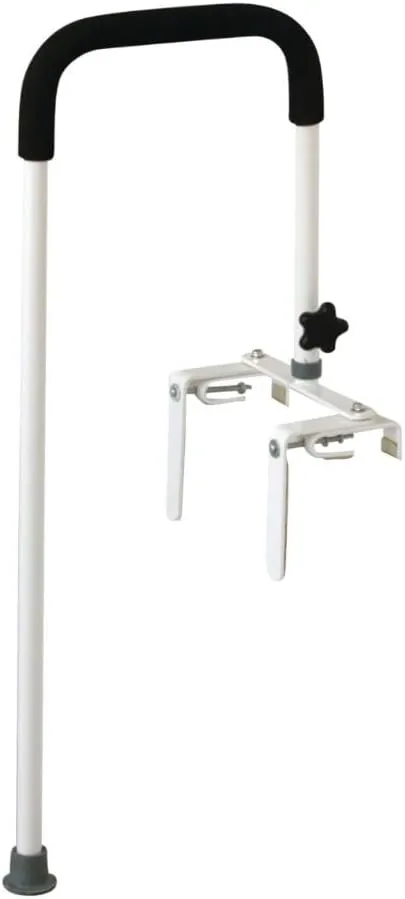
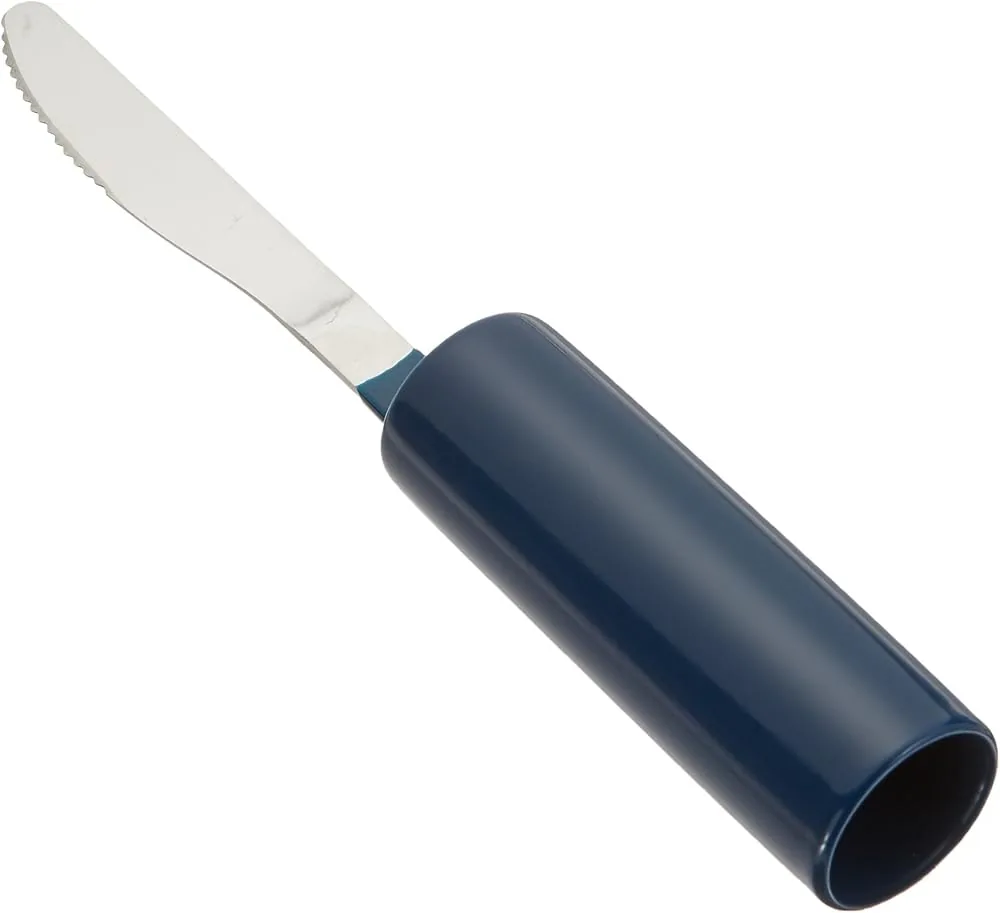
The product range spans seven comprehensive categories designed to address every aspect of daily living. Aids to Daily Living forms the foundation, offering adaptive equipment for dressing, eating, and personal care including reachers, grabbers, dressing sticks, button hooks, and universal cuffs. These tools transform frustrating daily tasks into manageable routines, allowing users to maintain self-sufficiency without relying on caregivers for basic activities.
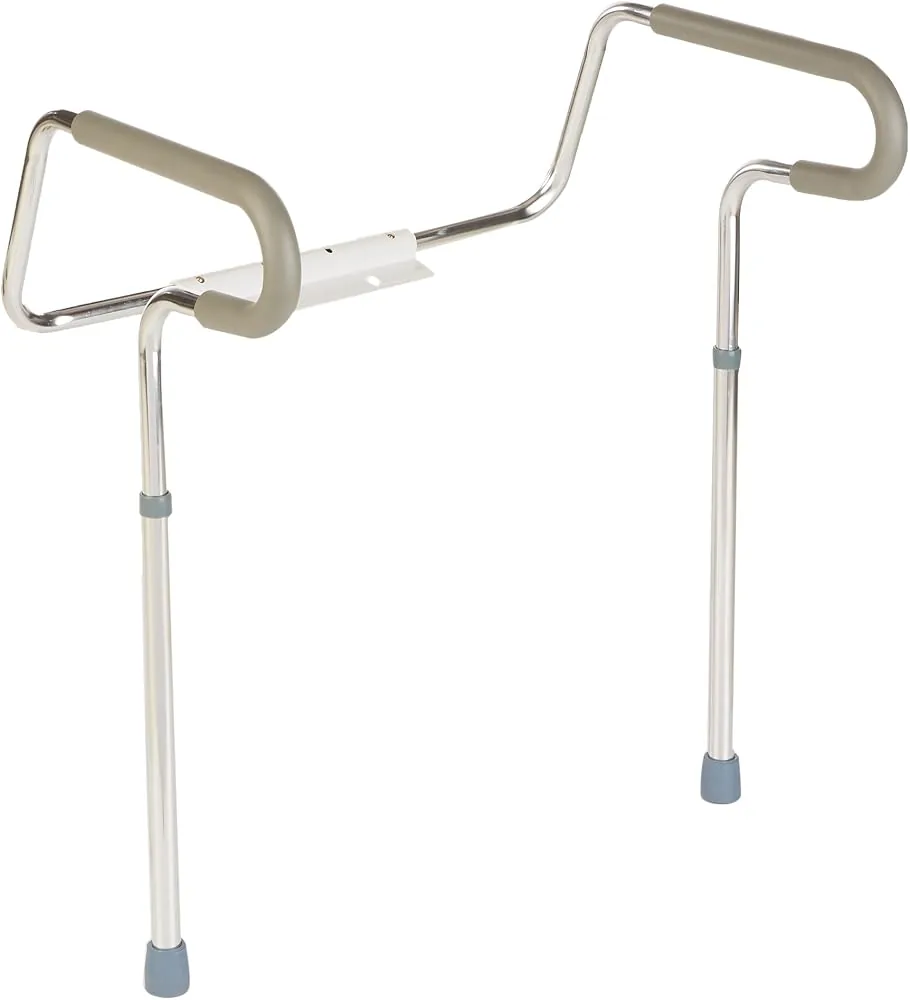
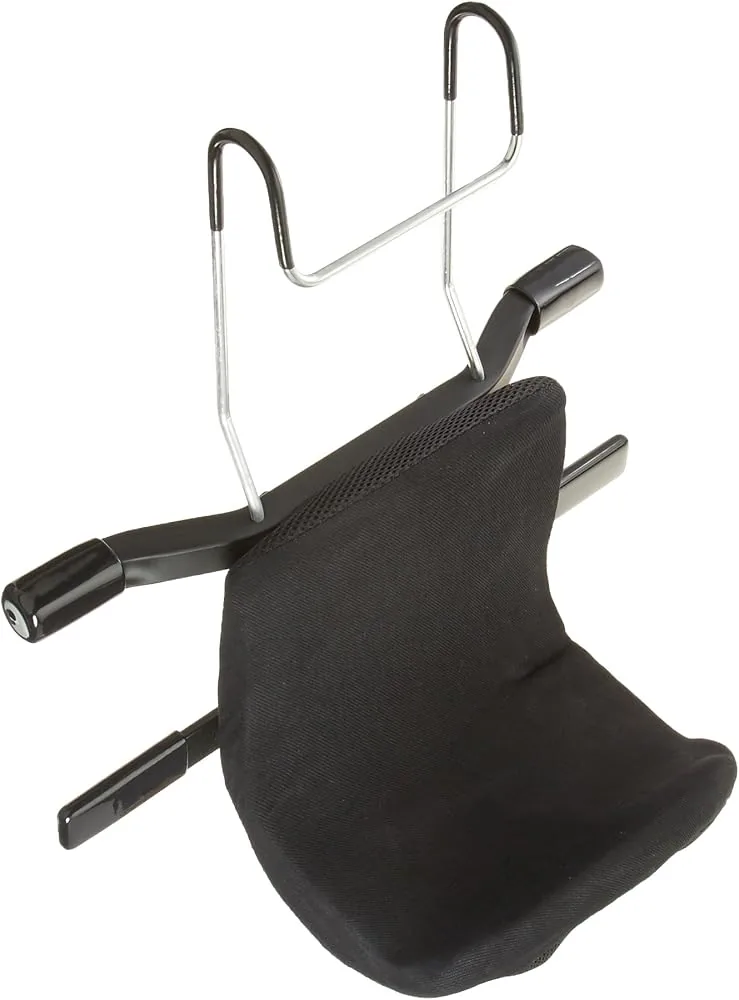
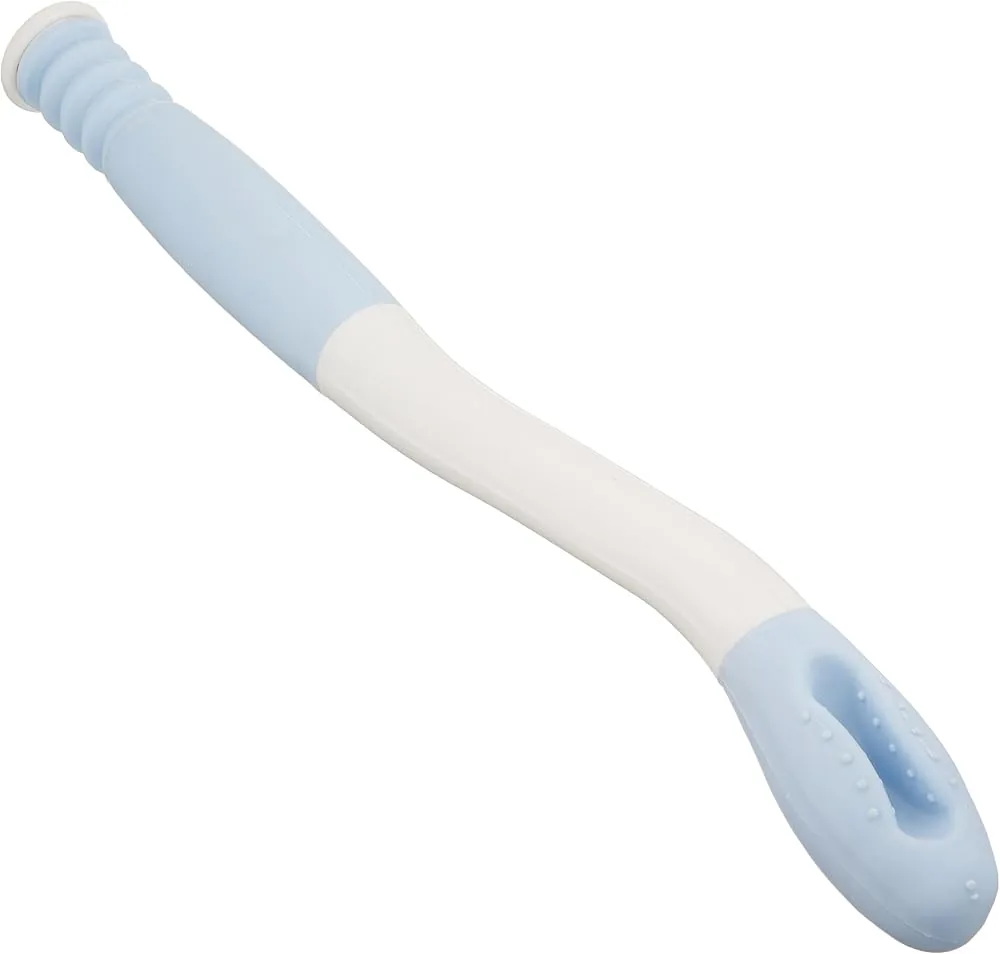
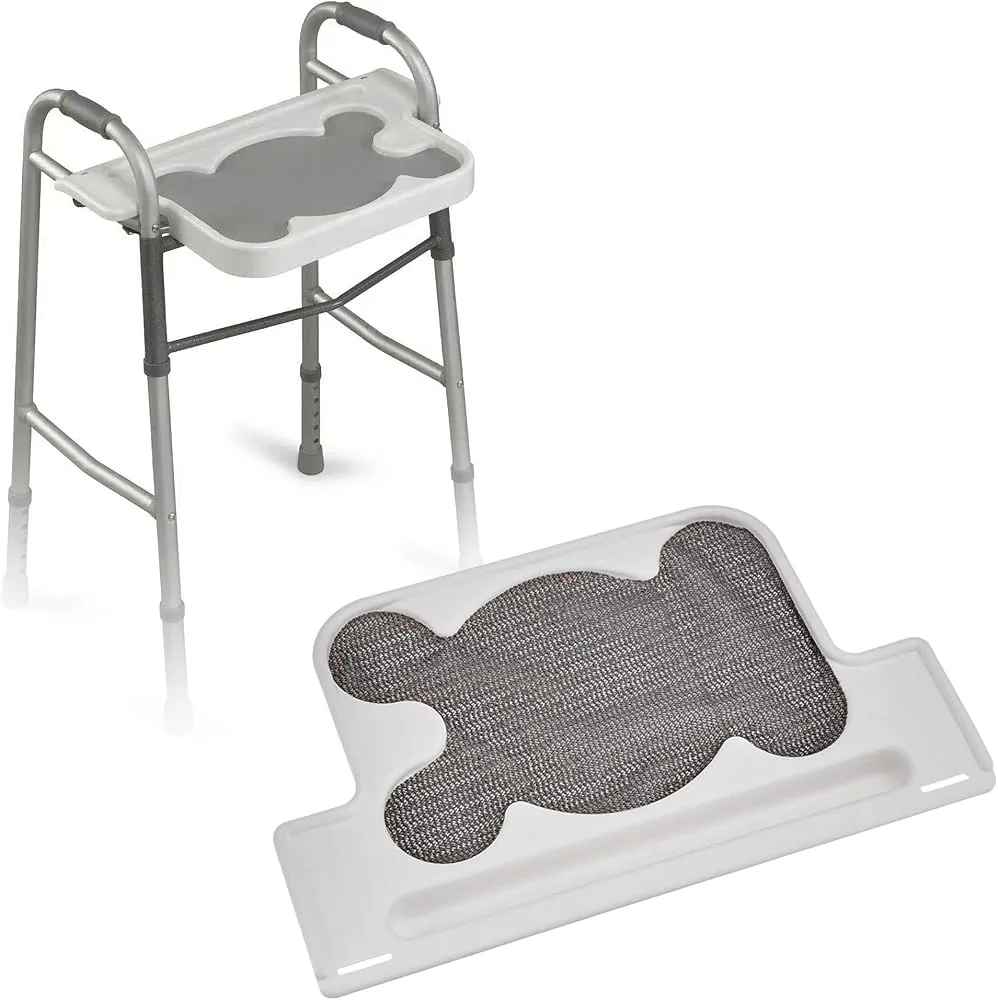
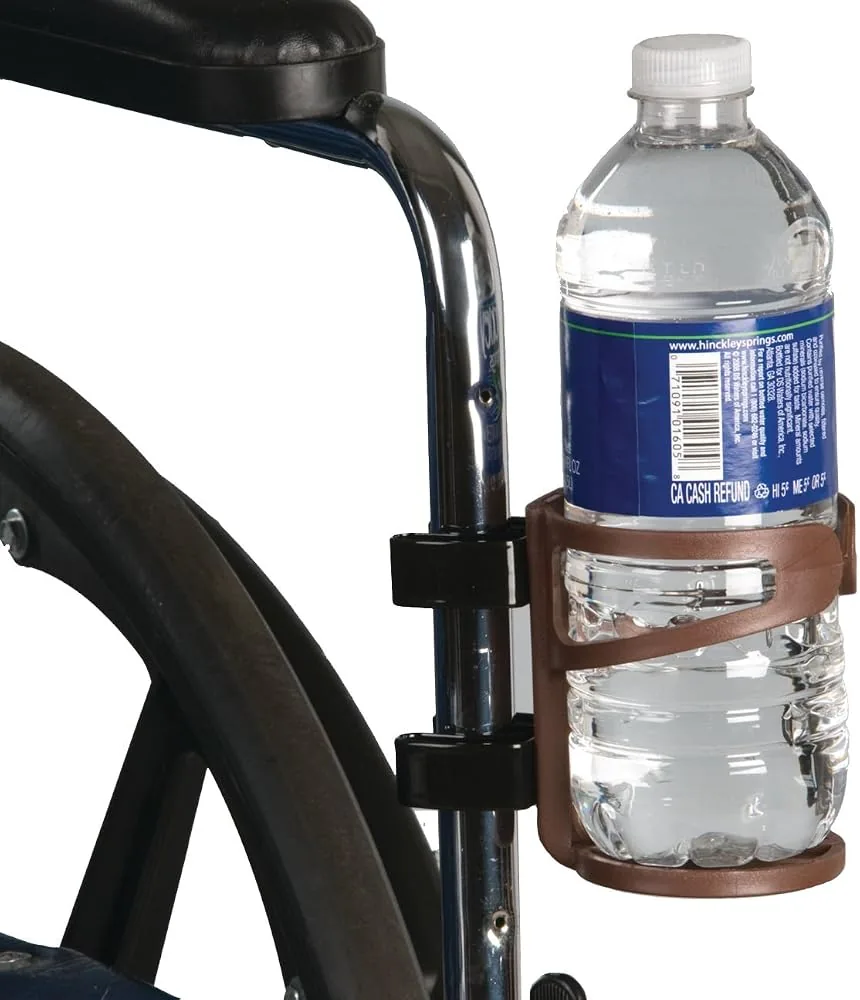
Bathing and toileting categories address personal hygiene with dignity-preserving solutions. Long-handled sponges, back scrubbers, and shower accessories enable safe, independent bathing, while toileting aids provide practical support without compromising privacy. The Mobility Accessories collection enhances the functionality of existing equipment like walkers and wheelchairs through trays, pouches, and comfort-enhancing additions that make mobility devices more practical for extended use.
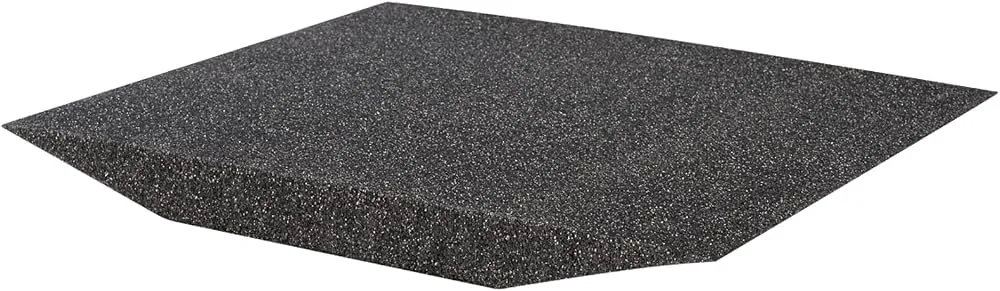
For rehabilitation and injury prevention, the Orthopedics category delivers professional-grade braces, splints, and supports designed by clinicians. Exercise Therapy equipment supports strength training and physical recovery with resistance bands, dumbbells, and cuff weights appropriate for therapeutic use. Finally, Fall Prevention and Positioning products address safety concerns with alarms, positioning wedges, and management systems that protect vulnerable individuals in home and care settings.
Born in the Clinic, Perfected for Home Use
The engineering philosophy that guides product development traces directly to Fred Sammons' original workshop at a rehabilitation clinic in the 1950s. Working alongside patients recovering from injuries, surgeries, and chronic conditions, Sammons observed the gap between what standard products offered and what his patients actually needed. His solution was clinician-designed adaptive devices created through direct collaboration with occupational therapists who understood functional limitations at a fundamental level.
This clinical origin continues to influence modern product development in meaningful ways. Design teams include rehabilitation professionals who evaluate prototypes under real-world conditions, testing with actual patients rather than theoretical user profiles. The result is equipment that accounts for trembling hands, limited range of motion, reduced grip strength, and the fatigue that accompanies many chronic conditions. Details that might seem minor, such as grip circumference, lever resistance, or handle angle, receive careful attention because these factors determine whether a product succeeds or fails in actual use.
The commitment to lightweight aluminum and durable materials reflects clinical observations about user needs. Many individuals using daily living aids manage multiple physical limitations simultaneously, making product weight a critical factor in usability. Heavy or cumbersome tools quickly become abandoned tools. By prioritizing materials that deliver durability without unnecessary weight, the brand ensures products remain practical for daily use over extended periods.
Sammons Preston Daily Living Aids: Core Features That Support Independence
- Clinician-Designed Ergonomics Every handle, grip, and lever reflects input from occupational and physical therapy professionals who understand how conditions like arthritis affect hand function. Ergonomic designs accommodate weakened grip strength and limited finger mobility.
- Lightweight Aluminum Construction Reachers, dressing sticks, and mobility aids utilize aluminum frames that minimize user fatigue while maintaining structural integrity for years of daily use.
- Complete Recovery Kits Hip and knee replacement patients benefit from comprehensive kits containing multiple coordinated aids designed specifically for post-surgical recovery protocols.
- Professional-Grade Quality Products meet the standards required by healthcare facilities, rehabilitation clinics, and skilled nursing environments where reliability directly affects patient outcomes.
- Adaptive Grip Technology Built-up handles, contoured grips, and non-slip surfaces ensure secure handling even for users with significant hand function limitations.
- Universal Compatibility Mobility accessories integrate seamlessly with standard walkers, wheelchairs, and other equipment from major manufacturers.
Trusted Favorites Chosen by Therapists and Patients Alike
Among the extensive catalog, several products have earned particular recognition from both healthcare professionals and home users. Hip and knee replacement recovery kits consistently rank among the most recommended items, offering coordinated sets of tools that address the specific movement restrictions following joint surgery. These kits eliminate the guesswork of assembling individual items and ensure patients have everything needed for a safe recovery at home.
Reachers and grabbers represent another high-demand category, with multiple length and grip options available to match different user needs. The lightweight aluminum construction makes extended use practical, while the trigger mechanisms accommodate hands with limited strength. Dressing sticks with hook attachments allow users to manage clothing without bending or reaching beyond safe ranges of motion.
Button hooks and zipper pulls address fine motor challenges that affect daily dressing routines. These compact tools transform frustrating tasks into manageable ones, restoring independence for individuals who might otherwise require assistance with basic clothing fasteners. Long-handled bath sponges and sock aids round out the popular selections, each designed to eliminate dangerous bending and reaching during personal care activities.
Built with Aluminum Frames, Foam Grips, and Medical-Grade Plastics
Material selection directly influences product performance for users with physical limitations, and the engineering team prioritizes components that balance durability with ease of use. Lightweight aluminum forms the structural backbone of reachers, dressing sticks, and many mobility accessories. This metal delivers exceptional strength-to-weight ratios, allowing products to handle daily demands without adding burden to already-challenged users.
Grip surfaces incorporate high-density foam and rubberized coatings that provide secure handling without requiring excessive force. For users managing arthritis, neuropathy, or general weakness, these cushioned surfaces reduce hand strain during use. Medical-grade plastics appear throughout the product line where moisture resistance and easy cleaning matter, particularly in bathing and toileting aids where hygiene remains paramount.
Fasteners, joints, and mechanical components meet durability standards established through clinical use. Products undergo testing that simulates months of daily operation, ensuring that moving parts maintain proper function over extended periods. The sammons preston cold pack line exemplifies this attention to materials, utilizing therapeutic-grade gels and durable exteriors designed for repeated freeze cycles without degradation.
Restoring Confidence Through Daily Victories
Performance in real-world conditions defines whether assistive products succeed or merely exist in storage closets. Users consistently report that these aids transform previously difficult or impossible tasks into manageable routines. Dressing independently after hip replacement surgery, bathing safely without caregiver assistance, and reaching items without risking falls represent meaningful victories that compound into restored confidence and self-sufficiency.
Durability proves essential for products used multiple times daily over months or years. The construction quality supports this intensity of use, with reachers maintaining smooth trigger action and grabber jaws retaining their grip after thousands of cycles. Aluminum frames resist bending under normal use conditions, and foam grips maintain their cushioning properties rather than compressing into hard surfaces.
Comfort factors heavily in sustained use patterns. Products that cause hand fatigue, awkward postures, or discomfort quickly get abandoned regardless of their theoretical utility. The ergonomic design philosophy addresses this reality directly, producing tools that feel natural during use and remain comfortable throughout extended daily routines. Users report completing tasks more quickly and with less physical strain compared to attempting activities unassisted or with improvised solutions.
Getting Maximum Benefit from Sammons Preston Daily Living Aids
- Follow Therapist Recommendations Occupational and physical therapists can assess which specific products match your functional limitations and demonstrate proper techniques for using each aid safely and effectively.
- Practice Before Relying Completely Spend time familiarizing yourself with new tools in low-risk situations before depending on them for critical tasks. This builds muscle memory and confidence.
- Position Tools Within Easy Reach Store frequently used aids where you can access them without stretching, bending, or walking far. Bathroom aids should remain in the bathroom; bedroom aids near the bed.
- Clean Regularly Wipe down grips and handles with mild soap solutions to maintain hygiene and prevent buildup that could affect grip quality. Allow thorough drying before storing.
- Inspect Before Each Use Check that moving parts operate smoothly, grips remain secure, and no damage affects structural integrity. Address issues before they lead to failure during use.
- Use the Sammons Preston Ice Pack Properly For cold therapy products, follow timing guidelines to prevent tissue damage while maximizing therapeutic benefit. Wrap cold packs in thin cloth rather than applying directly to skin.
Fit Considerations and Safe Selection Guidelines
Before Purchasing
- Measure reach requirements accurately
- Assess grip strength honestly
- Consider weight limitations
- Evaluate specific task requirements
- Consult with healthcare providers
During Use
- Never exceed weight capacities
- Avoid modifications that compromise structure
- Use each tool only for intended purposes
- Stop immediately if pain occurs
- Request professional guidance for complex tasks
Perfect for Post-Surgery Recovery and Chronic Condition Management
The ideal user profile encompasses several distinct populations united by the need for adaptive assistance with daily activities. Hip and knee replacement surgery patients represent a primary audience, as these procedures impose significant temporary restrictions on bending, reaching, and lower body movement. Complete recovery kits address this population specifically, providing coordinated tools designed around post-surgical protocols that limit hip flexion and weight-bearing activities.
Seniors experiencing age-related mobility decline find comprehensive solutions across multiple product categories. Whether managing general stiffness, balance concerns, or reduced flexibility, the range offers graduated support that matches varying levels of limitation. Many users begin with one or two aids and expand their toolkit as needs evolve, benefiting from the consistency of design across the product line.
Individuals living with arthritis, whether rheumatoid, osteoarthritis, or other inflammatory conditions, gain particular benefit from the ergonomic handle designs and lightweight construction. The reduced grip force required to operate these tools makes daily activities possible without triggering joint pain or fatigue. Stroke survivors, those managing Parkinson's disease, and individuals with other neurological conditions affecting fine motor control also find appropriate adaptive solutions within the extensive catalog.
Selecting the Right Daily Living Aids for Your Specific Needs
Choosing appropriate adaptive equipment requires honest assessment of current functional abilities and anticipated challenges. Begin by identifying which specific daily activities present the greatest difficulty. Dressing challenges differ significantly from bathing limitations or mobility concerns, and targeting products toward actual problem areas yields better outcomes than purchasing general-purpose items that may not address core issues.
Reach requirements vary substantially across products, with reachers and grabbers available in multiple lengths. Measure the distances you struggle to access, whether floor level, overhead shelves, or somewhere between. Select products that provide adequate reach without excessive length that becomes unwieldy. Similarly, evaluate grip requirements against your actual hand strength and dexterity. Products exist with varying trigger pressures and handle sizes to accommodate different limitations.
Consider purchasing coordinated sets rather than individual items when facing multiple related challenges. Recovery kits designed for specific conditions ensure compatibility between products and provide comprehensive coverage without requiring research into which individual items work best together. Consult with occupational therapists when possible, as their professional assessment can identify needs you might not recognize and recommend specific products matched to your functional profile.
Sammons Preston vs. Leading Adaptive Equipment Brands
| Feature | Sammons Preston | Vive Health | Drive Medical |
|---|---|---|---|
| Professional Heritage | Founded by occupational therapist in clinical setting | Consumer-focused brand | Medical equipment manufacturer |
| Product Design Input | Occupational and physical therapy professionals | General product development | Healthcare industry standards |
| Recovery Kit Availability | Comprehensive hip/knee replacement kits | Individual items primarily | Limited bundled options |
| Material Quality | Lightweight aluminum and medical-grade components | Standard consumer materials | Institutional-grade materials |
| Grip Engineering | Ergonomic designs for arthritis and limited strength | Standard grip designs | Functional but basic grips |
| Healthcare Facility Trust | 70+ years in rehabilitation settings | Consumer market focus | Strong institutional presence |
| Price Point | Premium professional-grade pricing | Budget-friendly options | Mid-range institutional pricing |
Comparison based on publicly available product specifications and brand positioning as of 2024.
Keeping Your Adaptive Equipment Clean and Functional
- Daily Cleaning Routine Wipe down frequently touched surfaces with mild soap and water solution. Pay particular attention to grip areas where oils and residue accumulate. Rinse thoroughly and allow complete drying.
- Deep Cleaning Schedule Perform thorough cleaning weekly or more frequently for bathroom products. Use disinfecting solutions appropriate for the materials, avoiding harsh chemicals that might degrade foam or rubber components.
- Mechanical Maintenance Check trigger mechanisms, joints, and moving parts monthly for smooth operation. Apply appropriate lubricants if specified in product instructions, though many products require no lubrication.
- Storage Practices Store products in dry locations away from direct sunlight. Hang reachers and long-handled items rather than leaning them to prevent warping. Keep related items together for easy access when needed.
- Replacement Indicators Replace products showing cracked handles, worn grips that no longer provide secure grasp, bent or weakened frames, or malfunctioning mechanisms. Compromised equipment creates safety risks.
- Cold Pack Care Store the sammons preston ice pack products flat in the freezer when not in use. Inspect for leaks before each use. Clean exterior surfaces after contact with skin to maintain hygiene.