
Sammons Preston — Mobility Accessories
Empowering Independence for Seniors and Recovery Patients Since 1958
Sammons Preston Mobility Accessories represent over six decades of dedication to one clear mission: helping individuals with physical limitations live more independently. Founded in 1958 by Fred Sammons, an occupational therapist who understood firsthand the daily challenges faced by patients with mobility issues, the brand has grown into a trusted name among healthcare professionals, rehabilitation clinics, and families across America. Every product in the mobility accessories lineup reflects this clinical heritage, designed not in corporate boardrooms but in therapy rooms where real patients work toward real recovery goals.
The brand serves a specific community with specific needs. Seniors experiencing age-related mobility decline find solutions that respect their dignity while providing genuine assistance. Hip and knee replacement patients discover recovery aids that make the journey from surgery to independence smoother and more manageable. Individuals living with arthritis or limited hand function benefit from ergonomic designs that account for reduced grip strength and joint pain. This focused approach means products are never one-size-fits-all compromises but rather purposeful tools created for the people who need them most.
Healthcare professionals across the country recommend Sammons Preston because the products work exactly as intended. Physical therapists appreciate the clinical-grade quality that matches what they use in professional settings. Occupational therapists recognize designs that align with rehabilitation best practices. When a product bears the Sammons Preston name, it carries the weight of 70 years of earned trust in the medical and rehabilitation community.
A Complete Collection for Walkers, Wheelchairs, and Daily Living
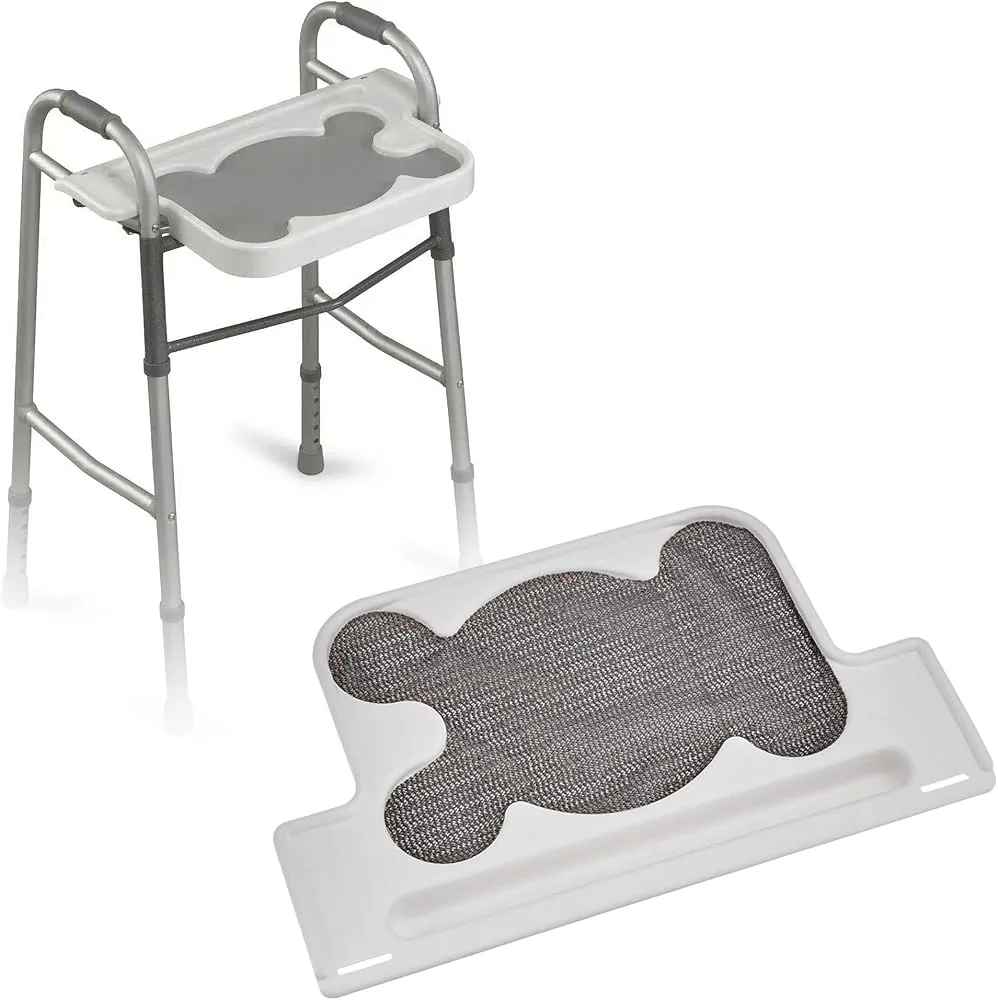
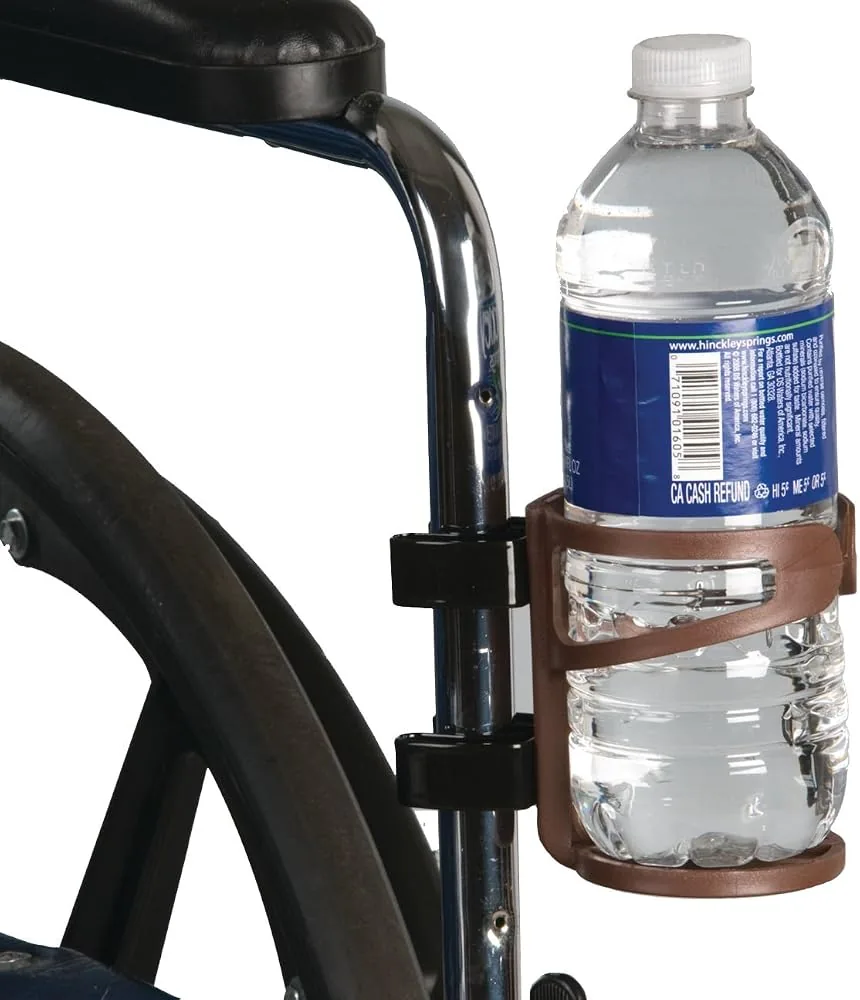
The product range addresses every major mobility challenge users face in their daily routines. Walker accessories transform basic walking aids into fully functional support systems, with trays that provide stable surfaces for meals, activities, and transporting items throughout the home. Wheelchair enhancements ensure that those who rely on seated mobility enjoy the same convenience and comfort as anyone else, from secure beverage holders to properly supportive cushioning systems.
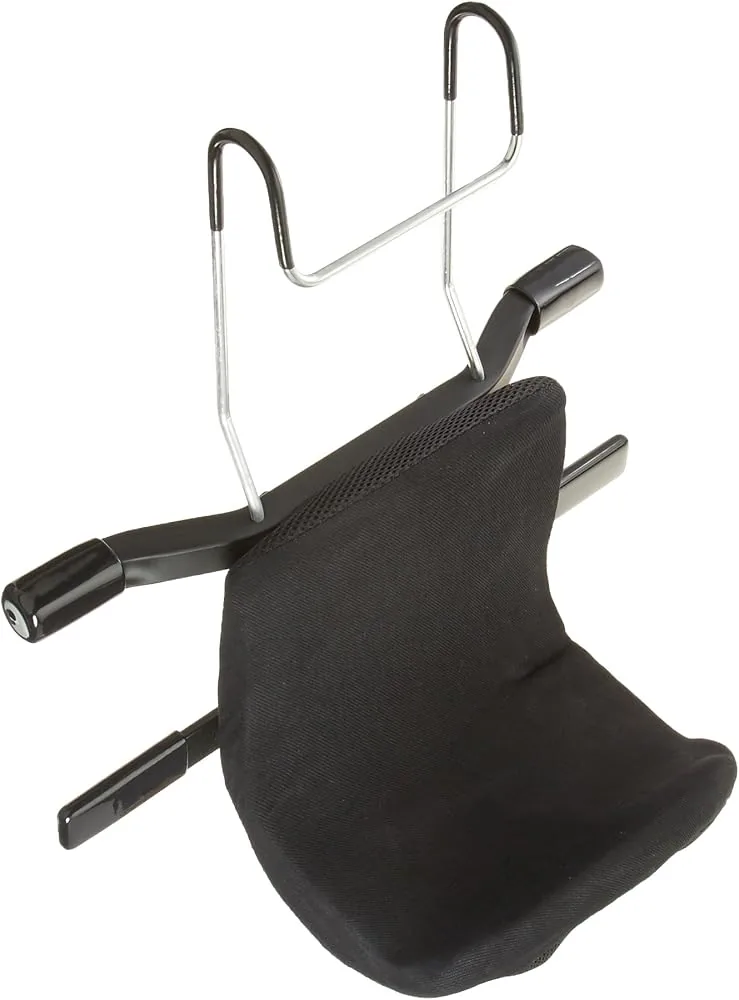
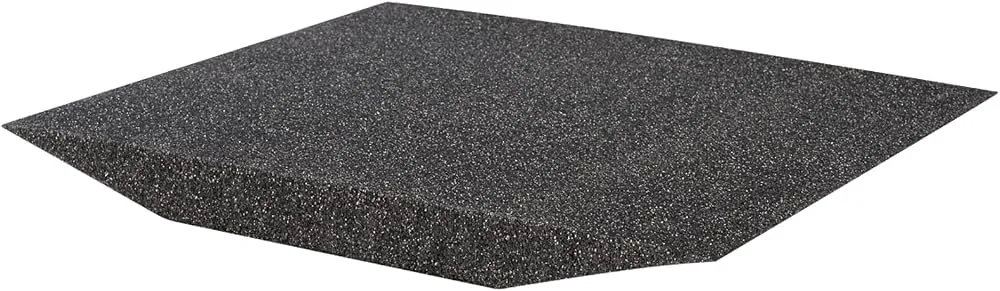
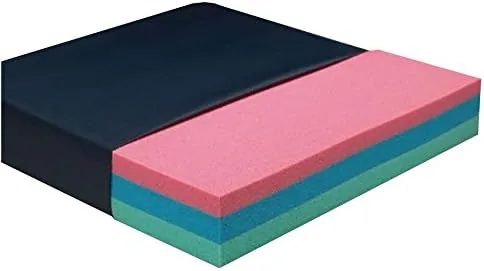
Beyond basic accessories, the collection includes specialized solutions for common post-surgical needs. The Kneeler hanging knee sling provides essential support during recovery, fitting any standard walker to relieve strain during mobility exercises. Bariatric options ensure that users of all sizes have access to equally high-quality accessories, with the heavy-duty walker tray supporting larger frames without compromising stability. Solid seat inserts and visco-elastic foam cushions address the critical issue of wheelchair comfort, preventing pressure sores and fatigue during extended use.
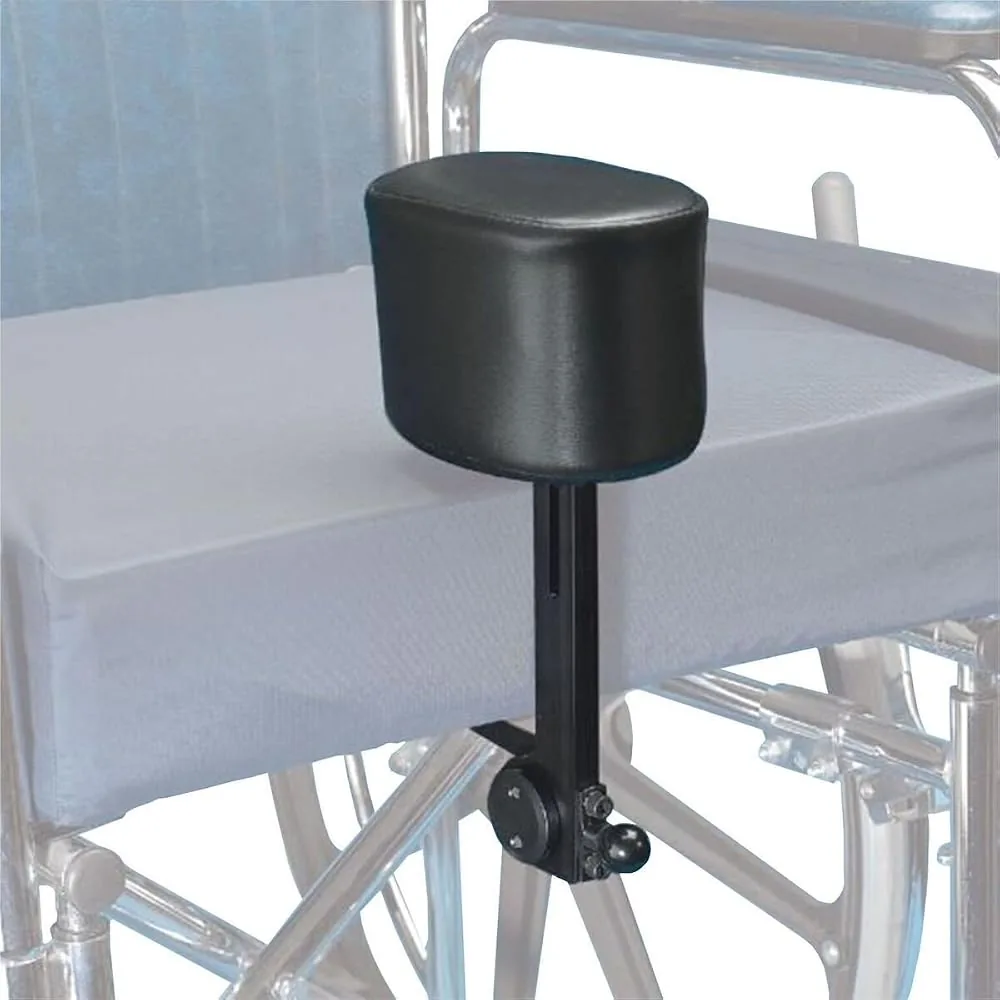
Positioning aids like the flip-down pommel and protective cushion covers round out the lineup with practical solutions for specific clinical needs. Incontinence-resistant covers protect investment in quality cushions while maintaining hygiene standards. Every category within the collection connects logically, allowing users to build complete support systems tailored to their individual requirements.
Clinician-Designed Innovation From the Therapy Room to Your Home
What separates this brand from competitors begins in the design process itself. Fred Sammons created his first adaptive devices while working directly with patients in rehabilitation settings, observing their struggles and engineering practical solutions on the spot. This hands-on approach established a company philosophy that persists today. Products originate from clinical observation, not market research. Occupational and physical therapy professionals contribute their expertise throughout development, ensuring every feature serves a genuine therapeutic purpose.
This clinical foundation manifests in details that casual observers might overlook but users immediately appreciate. Handle angles account for limited wrist rotation. Surface textures provide secure grip without requiring excessive hand strength. Weight distribution considers users who may have asymmetrical strength or coordination. Cup holder placements account for tremors. These considerations emerge naturally when designers understand the daily realities of living with mobility limitations.
The commitment to clinical standards extends beyond initial design into material selection and construction methods. Products undergo testing protocols modeled on medical equipment standards rather than consumer goods minimums. Durability expectations assume daily use by users who depend on these accessories for basic activities. This rigorous approach explains why healthcare facilities continue to specify Sammons Preston equipment for their patients and why those patients often purchase the same brand for home use.
Sammons Preston Mobility Accessories: Essential Features for Daily Independence
- Ergonomic Handle Engineering Every grip surface accommodates users with arthritis, limited hand function, or reduced strength through carefully contoured shapes and cushioned materials that minimize strain.
- Lightweight Aluminum Construction Frames and structural components use aircraft-grade aluminum alloys that provide exceptional strength while keeping overall weight manageable for users with limited lifting capacity.
- Universal Compatibility Design Walker trays, knee slings, and accessories feature adjustable mounting systems that work with most standard mobility equipment rather than requiring brand-specific walkers or wheelchairs.
- Secure Attachment Mechanisms Clip-on systems and locking mounts ensure accessories stay firmly in place during use, preventing dangerous shifting or unexpected detachment during movement.
- Medical-Grade Foam Cushioning Visco-elastic and specialized foam options distribute weight evenly, reducing pressure point development and improving comfort during extended wheelchair use.
- Incontinence-Resistant Materials Protective covers and cushion options feature waterproof barriers that protect against moisture damage while remaining comfortable against skin.
Top Choices Among Healthcare Professionals and Home Users
The Sammons Preston Bariatric Walker Tray stands out as a particularly popular choice for users who need a stable surface for daily activities. Priced around $82.88, this clip-on tray features integrated cup holders and a generous surface area that accommodates meals, crafts, reading materials, and more. The bariatric rating ensures users of larger frames enjoy the same stability and functionality as standard-sized options, addressing a significant gap in the mobility accessories market.
For post-surgical recovery, The Kneeler hanging knee sling at approximately $136.07 provides essential support during the critical rehabilitation period. This accessory fits any standard walker, allowing patients to rest their leg in a supported position during mobility exercises and daily movement. Physical therapists frequently recommend this product specifically because it addresses a common recovery challenge without requiring additional equipment purchases.
Wheelchair users gravitate toward the beverage holder system priced at $19.73, which solves the surprisingly complex problem of keeping drinks accessible and secure during movement. The adjustable design accommodates various cup and bottle sizes while the mounting system works across wheelchair brands. Combined with the solid seat insert and visco-elastic foam cushion options, users can build complete comfort systems that dramatically improve daily wheelchair use.
Aircraft-Grade Aluminum, Visco-Elastic Foam, and Medical-Grade Construction
Material selection follows the same clinical rigor applied to product design. Structural components utilize lightweight aluminum alloys similar to those found in aerospace applications, providing exceptional strength-to-weight ratios that benefit users with limited lifting capacity. These frames resist corrosion, maintain dimensional stability across temperature changes, and withstand the daily stresses of repeated use without developing the wobbles or looseness that plague cheaper alternatives.
Cushioning systems feature visco-elastic foam — the same pressure-redistributing material developed for medical applications and later adapted for consumer mattresses. In wheelchair cushions, this foam responds to body heat and weight, conforming to individual anatomy while preventing the pressure concentrations that lead to skin breakdown. The 16" x 16" x 2" foam cushion represents clinical-grade pressure management in a form factor designed for home use.
Protective covers and textile components employ specialized fabrics engineered for healthcare environments. Incontinence-resistant covers feature sealed seams and waterproof backing that prevent moisture penetration while maintaining breathability and comfort. These materials clean easily with standard disinfectants, supporting hygiene standards that protect users with compromised immune systems or healing surgical sites. Every material choice reflects the understanding that these products serve vulnerable populations with specific health considerations.
Lasting Comfort and Reliable Performance Through Daily Use
Users report that the immediate benefit of quality mobility accessories becomes apparent within the first days of use. Walker trays transform walking aids from simple support tools into mobile workstations, allowing users to transport items safely while maintaining stable three-point contact with their walkers. Meals can be enjoyed anywhere rather than only at fixed tables. Hobbies continue despite mobility limitations. The psychological benefit of maintained independence often proves as valuable as the physical assistance.
Durability testing in clinical environments translates directly to home performance. Products designed to withstand institutional use — multiple patients, aggressive cleaning protocols, and constant handling — easily exceed the demands of single-user home environments. Families report using the same accessories for years without replacement, a stark contrast to consumer-grade alternatives that require regular replacement. The initial investment proves economical when calculated across actual useful lifespan.
Comfort considerations prove equally important for products used throughout each day. Wheelchair cushions maintain their supportive properties through extended sitting sessions, preventing the gradual compression that leads to inadequate support. Ergonomic handles remain comfortable even during lengthy use periods. Users with chronic conditions appreciate that these accessories accommodate their needs without creating new sources of discomfort or fatigue.
Getting the Most from Your Sammons Preston Mobility Accessories at Home
- Proper Mounting Ensures Safety Verify that all clip-on accessories are securely attached before each use, checking that locking mechanisms are fully engaged and the accessory remains stable during movement.
- Adjust to Your Specific Equipment Take time during initial setup to adjust mounting positions, heights, and angles to match your particular walker or wheelchair model for optimal functionality.
- Regular Cleaning Maintains Hygiene Wipe down trays, holders, and hard surfaces daily with appropriate disinfectants, paying special attention to areas that contact food or beverages.
- Cushion Rotation Extends Lifespan Rotate foam cushions periodically to ensure even wear distribution and maintain consistent support properties throughout the product's useful life.
- Inspect Components Weekly Check attachment points, seams, and structural elements regularly for signs of wear, addressing any developing issues before they compromise safety.
- Follow Weight Capacity Guidelines Respect stated weight limits for trays and cushions to maintain structural integrity and ensure safe, reliable performance.
Proper Fit and Safe Setup for Every User
Selecting appropriately sized accessories prevents both safety issues and diminished functionality. Wheelchair cushions must match chair dimensions precisely. The 16" x 16" standard size fits most adult wheelchairs, but verification against specific chair measurements avoids problems. An undersized cushion shifts during use, while an oversized cushion prevents proper positioning within the chair frame. Similar considerations apply to seat inserts, which must correspond to wheelchair depth and width specifications.
Walker accessories require attention to compatibility as well. Most trays and the knee sling feature adjustable mounting systems that accommodate standard walker dimensions, but users should verify fit before relying on the accessory during mobility. The mounting mechanism should engage fully without forcing or modification. Secure attachment protects against the serious injury risk posed by shifting accessories during use when balance is already compromised.
Weight capacity specifications deserve careful attention particularly for bariatric products. The bariatric walker tray is engineered for users who exceed standard equipment limits, but even this enhanced capacity has defined boundaries. Users and caregivers should verify that combined loads — the user plus any items placed on trays — fall within stated limits. Following these guidelines protects both the user and the equipment investment.
Perfect for Post-Surgical Recovery and Aging-in-Place Independence
Ideal Recovery Users
- Hip replacement patients in home rehabilitation
- Knee surgery patients requiring leg support during mobility
- Post-surgical patients building strength gradually
- Individuals transitioning from hospital to home care
Ideal Daily Living Users
- Seniors maintaining independence at home
- Wheelchair users seeking enhanced comfort
- Individuals with arthritis affecting mobility
- Caregivers supporting loved ones with limitations
Selecting the Right Mobility Accessories for Your Needs
Choosing among the available options begins with honest assessment of current needs and anticipated requirements. Users currently relying on walkers benefit from starting with a quality tray that immediately expands functional capability. Those recovering from surgery should consider the knee sling if their rehabilitation plan includes supported walking exercises. Wheelchair users facing extended daily use gain significant benefit from proper cushioning systems that prevent discomfort and protect skin health.
Size selection requires specific measurements rather than assumptions. Wheelchair cushion dimensions must match chair specifications exactly. Walker trays should be verified against specific walker models to ensure secure mounting. The adjustable nature of many accessories provides flexibility, but starting measurements establish the baseline for proper fit. Users uncertain about sizing should consult with their physical therapist or occupational therapist, who can recommend appropriate options based on clinical assessment.
Budget considerations should factor in expected lifespan alongside initial cost. The approximately $136 investment in the knee sling serves a specific recovery period but provides value throughout that critical time. The $82.88 bariatric walker tray represents a longer-term investment for daily use applications. Cushions and covers protect health continuously, making their cost a reasonable ongoing maintenance expense. Comparing these prices to replacement frequency for lesser alternatives often reveals the economy of quality initial purchases.
Sammons Preston Mobility Accessories Compared to Leading Alternatives
| Feature | Sammons Preston | Drive Medical | Medline |
|---|---|---|---|
| Design Origin | Occupational therapist-designed | Consumer product development | Healthcare supply focus |
| Heritage | Since 1958, 70+ years clinical trust | Established 2000 | Founded 1966 |
| Material Quality | Aircraft-grade aluminum, medical foam | Standard steel and foam | Variable by product line |
| Ergonomic Features | Arthritis-specific grip design | Standard handle shapes | Basic ergonomic consideration |
| Bariatric Options | Dedicated bariatric product lines | Select bariatric products | Limited bariatric focus |
| Healthcare Recommendation | Widely recommended by therapists | Common in retail channels | Strong institutional presence |
| Incontinence Protection | Specialized resistant covers | Basic protective options | Healthcare-grade options available |
Comparison based on publicly available product specifications and industry positioning as of 2024.
Keeping Your Accessories Clean, Safe, and Functional
- Daily Surface Cleaning Wipe walker trays and hard surfaces with mild soap and water or approved disinfectant wipes after each use, particularly following meals or beverage spills.
- Foam Cushion Care Spot clean cushions with damp cloth and mild detergent; avoid saturating the foam as excess moisture can degrade the visco-elastic properties over time.
- Cover Washing Protocol Remove and launder incontinence-resistant covers according to label instructions, typically warm water wash with mild detergent and tumble dry low.
- Metal Component Maintenance Inspect aluminum frames for scratches or damage that could harbor bacteria; clean with appropriate metal-safe cleaners and dry thoroughly to prevent any potential corrosion.
- Attachment Hardware Check Periodically tighten any adjustable mounting hardware and verify that clip mechanisms maintain proper tension for secure attachment.
- Storage Considerations Store accessories in clean, dry environments when not in use; avoid locations with extreme temperature variations that could affect foam or plastic components.