



Sammons Preston — Bathing
Sammons Preston Bathing Aids: Engineered for Independence After Surgery and Beyond
For over 70 years, Sammons Preston has served individuals navigating physical limitations with clinician-designed products that restore dignity and independence to everyday routines. The bathing collection specifically addresses the challenges faced by seniors with mobility restrictions, hip and knee replacement surgery patients, and those living with arthritis or reduced hand function. Every product emerges from decades of collaboration between occupational therapists and rehabilitation specialists who understand the real obstacles people face when personal hygiene becomes difficult.
Founded in 1958 by Fred Sammons in Warrenville, Illinois, the brand began as a direct response to unmet patient needs observed in rehabilitation clinics. Rather than generic solutions, the company developed adaptive devices that reflected actual clinical insights — tools that therapists themselves would recommend and trust. This foundation in professional healthcare settings distinguishes the bathing line from mass-market alternatives that lack therapeutic credibility.
The target audience extends beyond any single demographic. Post-surgical patients recovering at home benefit from grab bars and safety strips during their most vulnerable weeks. Seniors aging in place find extended-reach sponges and scrubbers that eliminate dangerous bending and stretching. Individuals with arthritic hands appreciate ergonomic grips designed for limited strength. Each product category addresses a specific barrier to safe, independent bathing that healthcare professionals encounter daily in their practice.
A Complete Range of Solutions from Tub Entry to Daily Hygiene
The collection spans every aspect of the bathing experience, ensuring users can address multiple safety and accessibility concerns with coordinated solutions. Grab bars and tub rails provide structural support for entering and exiting the bath or shower safely. Long-handled washing tools extend reach for those who cannot bend or twist. Anti-slip safety strips transform potentially hazardous wet surfaces into secure footing zones.
Rather than offering isolated products, the range functions as an integrated system for bathroom safety modification. A user recovering from hip replacement surgery might combine a floor-to-tub rail for stable entry with a long scrub sponge for lower body washing, along with adhesive safety strips on the tub floor. This comprehensive approach reflects the brand's clinical heritage, where therapists regularly prescribe multiple adaptive aids to address interconnected mobility challenges.
Product variety accommodates different bathroom configurations and personal preferences. Grab bars come in multiple lengths and finishes to match existing hardware. Scrubbing tools offer various handle lengths and head designs. Safety strips are available in visible or clear options depending on aesthetic concerns. This thoughtful range ensures practical solutions exist regardless of specific circumstances or bathroom layouts.
The Clinical Design Philosophy Behind Every Handle and Grip
What separates rehabilitation-grade bathing aids from standard consumer products is the depth of understanding built into every design decision. Sammons Preston products originate from actual clinical observations — occupational therapists watching patients struggle with specific tasks, then engineering solutions that address those exact pain points. A grab bar grip diameter, for example, reflects research on arthritic hand positioning rather than arbitrary manufacturing convenience.
The design philosophy prioritizes functional outcomes over aesthetic trends. Ergonomic handles accommodate users with limited grip strength, featuring contours that reduce the effort required to maintain hold on wet surfaces. Lightweight aluminum construction in rails and bars minimizes installation burden while maintaining structural integrity. Extended tool handles reach precise lengths determined by actual patient needs during rehabilitation assessments.
This clinical foundation extends to weight capacity ratings and durability standards. The floor-to-tub bath rail supports up to 200 pounds because therapists know their patients need confidence in structural reliability during vulnerable transfer moments. Chrome grab bars feature easy-grip surfaces because clinical experience proves that standard smooth finishes become dangerously slick when wet. Every specification traces back to real-world rehabilitation scenarios rather than theoretical assumptions.
Sammons Preston Bathing Features: Ergonomic Design Meets Clinical Expertise
- Occupational Therapist Development Products designed by licensed OT and PT professionals who work directly with patients facing bathing challenges, ensuring real-world functionality.
- Lightweight Aluminum Construction Rails and grab bars use durable aluminum alloys that support substantial weight while remaining manageable for home installation.
- Ergonomic Grip Technology Handles and grips feature contoured surfaces sized specifically for users with arthritis, limited hand strength, or grip difficulties.
- Extended Reach Tools Long-handled sponges and scrubbers reach 22.5 inches or more, eliminating dangerous bending for hip and knee replacement patients.
- Anti-Slip Surface Treatments Safety strips and adhesive guards create traction zones that remain effective even when wet, reducing fall risk on smooth tub and shower surfaces.
- Professional Weight Ratings Structural products carry specific weight capacity certifications, with the floor-to-tub rail supporting up to 200 pounds for confident use.
- Bendable Tool Designs Certain scrubbers and sponges feature adjustable shafts that users can shape to reach specific body areas without uncomfortable positioning.
Trusted Favorites: The Most Recommended Bath Safety Products
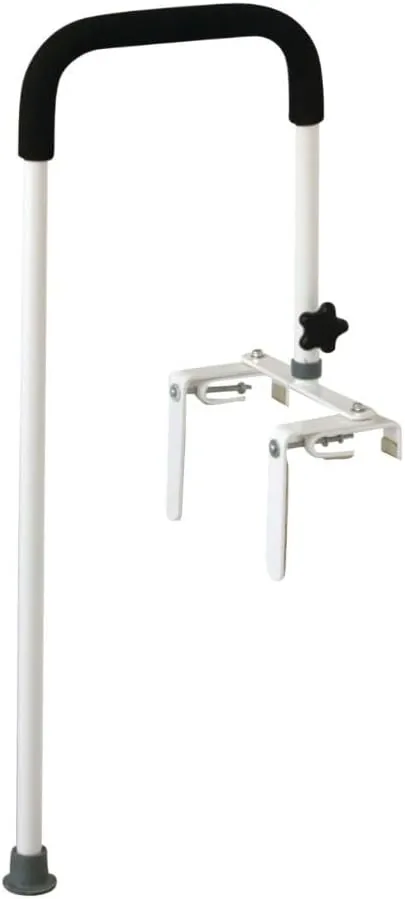
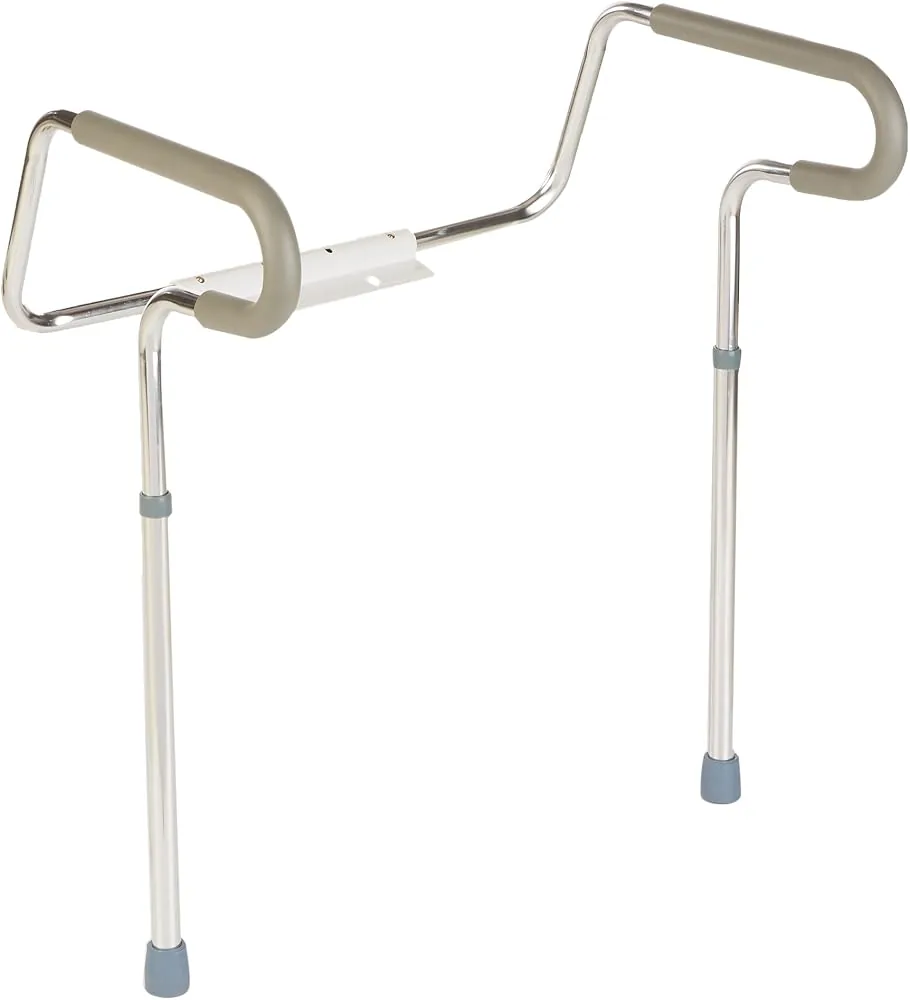
The Floor to Tub Bath Rail stands as the flagship structural safety product, featuring a curved grab bar design that provides support throughout the full range of tub entry and exit movements. With a 200-pound weight capacity and secure floor mounting, this rail addresses one of the most dangerous moments in bathroom routines — the transition from standing to stepping into a wet tub. Healthcare professionals consistently recommend this model for post-surgical home recovery plans.
Among washing aids, the Long Scrub Sponge at 22.5 inches delivers the reach necessary for lower body hygiene without bending. This matters critically for hip and knee replacement patients who face strict restrictions on forward flexion during recovery. The Bendable Scrub & Sponge offers additional versatility, combining scrubbing and loofah functions in an all-in-one tool with an adjustable handle that users can shape to their specific needs.
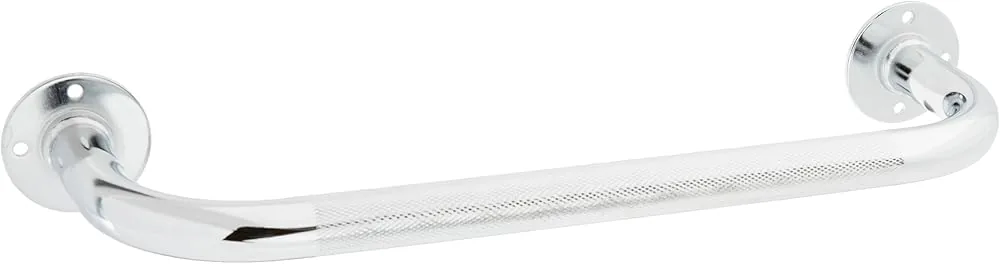
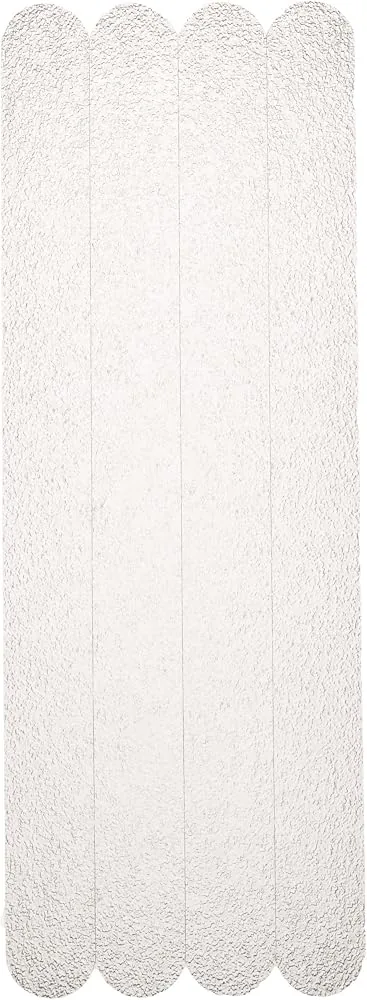
Chrome Grab Bars in multiple lengths address support needs throughout the bathroom. The standard version provides reliable assistance near toilets, tubs, and showers, while extended-length options accommodate larger spaces or users who need more continuous support. The easy-grip surface treatment ensures secure handling even with wet hands. Adhesive Safety Strips round out the safety system by converting slippery surfaces into secure footing zones without permanent modification or professional installation.
Chrome Finish, Durable Aluminum, and Medical-Grade Grips
Material selection reflects the demanding environment of bathroom use where products face constant moisture exposure, daily handling, and safety-critical performance requirements. Chrome plating on grab bars provides corrosion resistance that maintains structural integrity and appearance over years of use. Unlike painted or powder-coated alternatives, chrome surfaces withstand the humidity cycles of bathroom environments without peeling or degrading.
Structural components utilize aluminum alloys chosen for their strength-to-weight ratio. The Floor to Tub Bath Rail demonstrates this principle — strong enough to support 200 pounds during full-weight transfers, yet light enough for practical home installation without specialized equipment. This balance matters for seniors or caregivers managing modifications independently rather than hiring contractors for every bathroom safety upgrade.
Contact surfaces receive specialized treatment for safe wet-grip performance. Handle texturing and grip contouring create friction zones that remain effective when hands are wet or soapy. Long-handled washing tools feature material combinations that provide comfortable holding during extended use while remaining easy to clean. Safety strips utilize adhesive backings engineered for bathroom conditions, maintaining secure bonds despite daily water exposure and temperature variations.
Confident Independence: How Users Experience Daily Bathing Transformation
The practical impact of well-designed bathing aids extends beyond physical safety into psychological confidence. Users report that installing grab bars and safety strips transforms anxiety-producing daily routines into manageable tasks. The difference between dreading a shower and approaching it with confidence can affect overall quality of life, particularly for individuals recently discharged from surgery who face uncertain recovery timelines.
Long-handled washing tools deliver measurable functional improvements for users with range-of-motion restrictions. A hip replacement patient who cannot bend past 90 degrees suddenly regains the ability to wash feet and lower legs independently. This matters not just for hygiene but for dignity — the difference between needing caregiver assistance for intimate personal care versus maintaining privacy during vulnerable moments.
Durability testing in clinical settings informs real-world expectations. Products designed for rehabilitation facilities experience heavy daily use from multiple patients, creating wear patterns that expose design weaknesses quickly. Equipment that survives institutional deployment performs reliably in home settings where a single user places far less stress on components. Users can expect years of dependable service from properly installed and maintained products.
Using Sammons Preston Bathing Aids Effectively During Recovery
Proper installation and usage techniques maximize safety benefits while extending product lifespan. Grab bars require secure mounting into wall studs or with appropriate anchoring hardware for drywall applications. The floor-to-tub rail needs correct positioning to support the natural movement arc when entering or exiting the tub, with floor contact points placed on stable, level surfaces.
Post-surgical patients should coordinate bathing aid setup with their occupational therapist or home health provider before hospital discharge. Having equipment properly installed and tested before the first home shower reduces fall risk during the most vulnerable recovery period when pain and medication effects can impair coordination.
Critical Safety Standards for Bathroom Mobility Equipment
Installation Requirements
- Verify wall stud locations before grab bar mounting
- Use appropriate anchors for drywall-only installations
- Test stability with gentle pressure before full-weight use
- Position rails within natural reach from sitting or standing positions
- Ensure floor contact points rest on non-slip surfaces
Usage Guidelines
- Never exceed stated weight capacities for structural products
- Replace adhesive safety strips when edges begin lifting
- Inspect chrome surfaces for rust spots indicating moisture penetration
- Keep long-handled tools upright to prevent handle warping
- Clean grip surfaces regularly to maintain friction effectiveness
The Ideal Choice for Post-Surgical Patients and Aging Adults
Hip and knee replacement surgery patients represent a core audience for the bathing line, facing temporary but significant mobility restrictions that make standard bathroom routines dangerous. During the weeks following surgery, bending past 90 degrees is typically prohibited to protect healing joint capsules. Long-handled scrubbers provide the only safe method for lower body washing during this critical period, while grab bars prevent dangerous falls during transfers.
Seniors aging in place benefit from proactive bathroom modifications before a fall occurs. Statistics show bathrooms present the highest fall risk in home environments, with wet surfaces and confined spaces creating hazardous conditions for individuals with any balance or mobility concerns. Installing grab bars, safety strips, and appropriate washing aids before an incident represents smart prevention rather than reactive crisis management.
Individuals living with arthritis or chronic conditions affecting hand strength and grip find this product line addresses their specific challenges. Ergonomic handles sized for arthritic hands, lightweight tools that reduce arm fatigue, and grip surfaces that remain secure when wet — these features emerge directly from clinical observations of patients struggling with standard products. The difference between a generic long-handled brush and one designed with clinical insight becomes apparent during actual use.
Selecting the Right Bathing Aids for Your Specific Needs
Choosing appropriate products starts with honest assessment of current limitations and anticipated needs. Someone recovering from hip surgery faces different challenges than a senior with progressive arthritis. The surgical patient needs maximum reach extension and weight-bearing support temporarily, while the arthritis patient prioritizes grip comfort and fatigue reduction for ongoing daily use. Both scenarios require thoughtful product selection but emphasize different features.
Bathroom layout affects grab bar and rail placement options significantly. The curved floor-to-tub rail works best with standard built-in tubs where one end meets a wall. Walk-in showers may benefit more from strategically placed chrome grab bars at multiple heights. Measure available wall space and identify stud locations before purchasing to ensure proper mounting options exist. Clear safety strips suit bathrooms where visible white strips would clash with existing aesthetics.
Consider purchasing multiple complementary products rather than a single solution. A comprehensive approach might include a grab bar near the toilet, safety strips in the tub or shower, and a long-handled scrubber for washing. This combination addresses the full range of bathroom safety and accessibility concerns more effectively than any single product alone. Complete kits designed for post-surgical recovery bundle common needs into convenient packages worth considering for hip or knee replacement preparation.
Sammons Preston Bathing Aids vs. Alternative Brands
| Feature | Sammons Preston | Drive Medical | Moen Home Care |
|---|---|---|---|
| Clinical Design Heritage | OT/PT designed since 1958 | Medical equipment focus | Consumer bathroom brand |
| Grab Bar Weight Capacity | Up to 200 lbs (floor rail) | Varies by model | Up to 500 lbs (wall mount) |
| Long-Handle Tool Length | 22.5 inches standard | 18-24 inches range | Limited selection |
| Bendable Tool Options | Adjustable scrub & sponge | Fixed handles typical | Not available |
| Safety Strip Varieties | Clear and visible options | Standard white strips | Textured grip accessories |
| Professional Trust | 70+ years clinical use | Hospital equipment supplier | Consumer retail focus |
| Ergonomic Grip Design | Arthritis-specific contours | Standard grip surfaces | Decorative emphasis |
Comparison based on publicly available specifications. Moen offers strong weight ratings but lacks rehabilitation-specific tools. Drive Medical provides institutional options but with less clinical design heritage.
Maintaining Your Grab Bars, Sponges, and Safety Equipment
- Chrome Surface Care Wipe grab bars weekly with mild soap and water; avoid abrasive cleaners that can damage the protective chrome layer and invite corrosion.
- Safety Strip Inspection Check adhesive edges monthly for lifting; peeling strips should be replaced immediately as they can curl and become trip hazards themselves.
- Long-Handle Tool Storage Hang scrubbers and sponges upright to allow complete drying between uses; standing water in handles promotes bacterial growth and material degradation.
- Mounting Hardware Checks Test grab bar stability quarterly by applying moderate pressure; any loosening requires immediate re-tightening or professional assessment.
- Sponge Replacement Schedule Replace washing tool heads every 2-3 months depending on use frequency; compressed or hardened sponge material loses cleaning effectiveness.
- Rail Floor Contact Ensure floor-to-tub rail feet remain firmly positioned; rubber caps should be replaced if they show cracking or loss of grip texture.