
Sammons Preston — Toileting
Empowering Independent Living for Those Recovering from Surgery and Living with Limited Mobility
Sammons Preston Toileting aids represent over six decades of commitment to individuals who deserve dignity and independence in their most private moments. Founded in 1958 by Fred Sammons, an occupational therapist who understood firsthand the challenges faced by patients with physical limitations, the brand has grown into a trusted name among healthcare professionals and families alike. Every product in the toileting collection reflects the clinical expertise that has defined the company since its earliest days in rehabilitation centers across America.
The brand speaks directly to seniors navigating mobility limitations, individuals recovering from hip or knee replacement surgery, and those living with arthritis or reduced hand function. These are people who refuse to let physical challenges define their daily routines. Sammons Preston designs for real-world bathroom situations where reaching, gripping, and maneuvering can become significant obstacles. The toileting aids bridge the gap between dependency and self-sufficiency, allowing users to maintain their personal care routines without constant assistance.
Healthcare professionals have trusted Sammons Preston for over 70 years because the designs emerge from actual clinical practice rather than abstract engineering. Occupational and physical therapists contributed their frontline observations to create tools that address genuine patient needs. This clinician-designed approach means every toilet safety frame, personal hygiene tool, and bathroom accessory has been refined through real-world rehabilitation scenarios. The result is a collection that genuinely understands the physical and emotional needs of its users.
A Complete Bathroom Independence System from Safety Frames to Personal Hygiene Tools
The product range addresses every aspect of bathroom independence, from safely lowering onto the toilet to maintaining personal hygiene without straining compromised joints. The collection includes toilet safety frames engineered to support up to 300 pounds, providing stable assistance for sitting and standing. Personal hygiene aids extend reach for those who cannot twist or bend, while inspection mirrors allow users to monitor skin health and hygiene without contorting into painful positions.
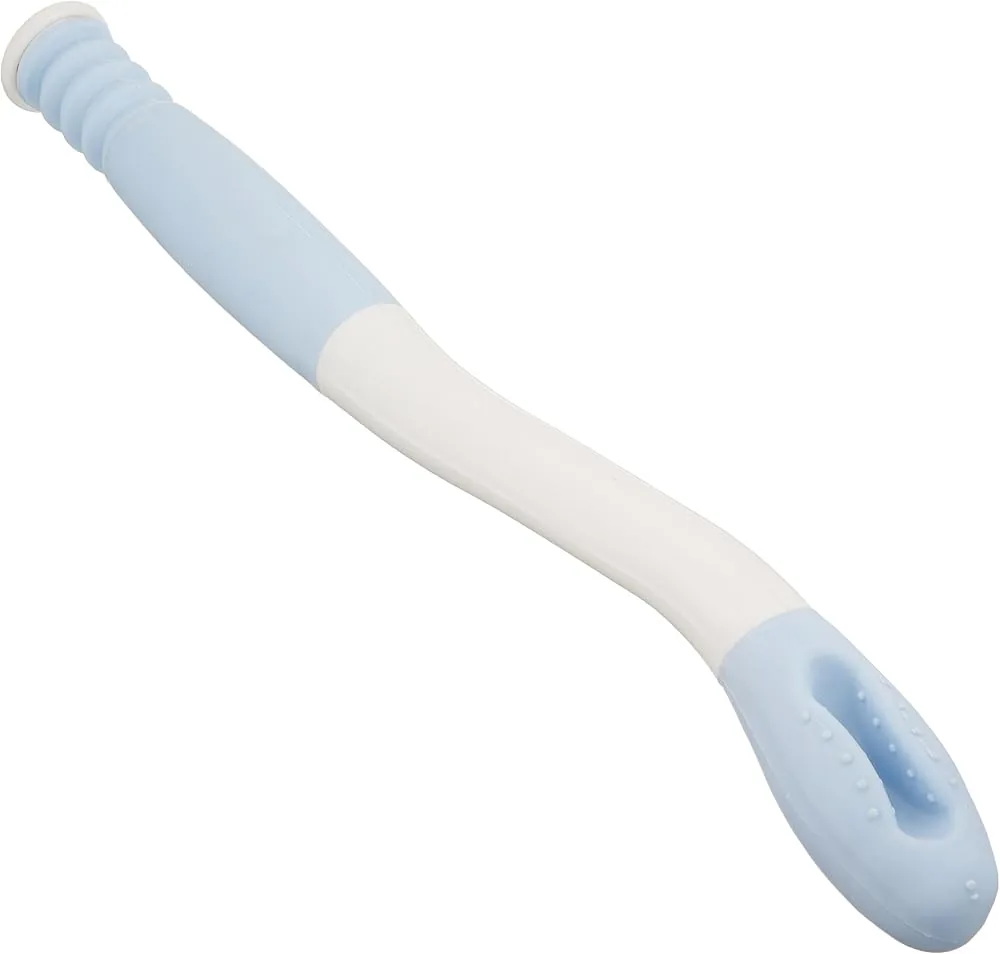
Each category within the range serves a specific function in the bathroom routine. The Clean Easy Toileting Aid and Curved Toilet Aid offer different approaches to the same challenge — maintaining cleanliness when reach is limited. Some users prefer the straight design for simplicity, while others find the curved option provides better angles. This variety ensures that individual preferences and specific physical limitations can be accommodated rather than forcing users to adapt to a one-size-fits-all solution.
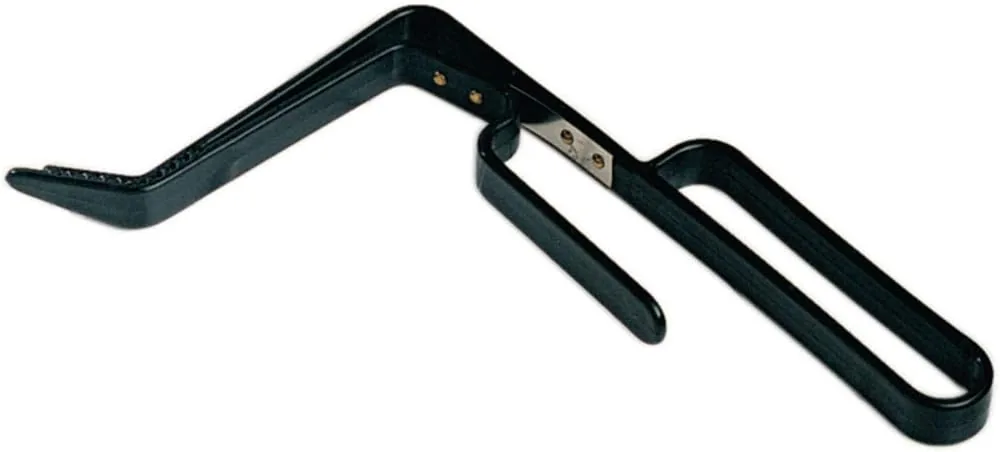
Beyond toileting-specific aids, the collection extends to related tasks that occur in the bathroom environment. The Pant Holder dressing hook assists with managing clothing during toilet use. Self-examination mirrors with telescoping handles support health monitoring that might otherwise require a caregiver's involvement. This comprehensive approach recognizes that bathroom independence involves multiple interconnected tasks, not just a single action.
Born in Rehabilitation Clinics: The Occupational Therapy Heritage Behind Every Design
The fundamental difference between Sammons Preston and generic bathroom aids lies in the origin of each design. Fred Sammons began creating adaptive devices while working directly with patients in rehabilitation settings. He witnessed the specific movements that caused pain, the grip patterns that failed, and the reach limitations that prevented independence. This clinical foundation embedded practical problem-solving into the brand's DNA, establishing a design philosophy that prioritizes functional outcomes over theoretical ergonomics.
Modern products continue this legacy through ongoing collaboration with occupational and physical therapy professionals. These clinicians observe patients in recovery every day, noting which features succeed and which need refinement. When a therapist notices that patients struggle with a particular grip angle or find certain materials uncomfortable against sensitive skin, that feedback travels directly to product development. This continuous loop between clinical practice and manufacturing keeps the designs relevant to actual user experiences.
The clinician-designed approach also influences how products work together as a system. Therapists understand that a patient recovering from hip replacement surgery needs more than a single tool — they need a coordinated set of aids that address multiple daily challenges. Sammons Preston developed complete kits for hip and knee replacement recovery based on this insight, bundling complementary aids that work together throughout the rehabilitation process. This systems thinking distinguishes the brand from competitors offering isolated solutions.
Sammons Preston Toileting Aids: Ergonomic Features Engineered for Limited Hand Strength
- Oversized Ergonomic Grips Handles designed specifically for users with arthritis or reduced hand strength feature larger diameters and contoured surfaces that require minimal grip force to operate securely.
- Lightweight Aluminum Construction The toilet safety frame and other structural aids use aircraft-grade aluminum that supports substantial weight while remaining light enough for users to adjust or relocate independently.
- Non-Slip Surface Textures Contact points feature textured rubber or silicone surfaces that maintain grip even when wet, addressing the inherent moisture challenges of bathroom environments.
- Extended Reach Mechanisms Toileting aids extend natural reach by 10 inches or more, eliminating the need for painful bending or twisting movements that strain recovering joints.
- Secure Paper Holding Systems Tissue holders incorporate reliable clamping mechanisms that grip firmly without requiring strong manual pressure to engage or release.
- Adjustable Height Options Safety frames offer multiple height settings to accommodate different toilet configurations and user preferences, ensuring optimal arm positioning for safe transfers.
The Models Healthcare Professionals Recommend Most Often
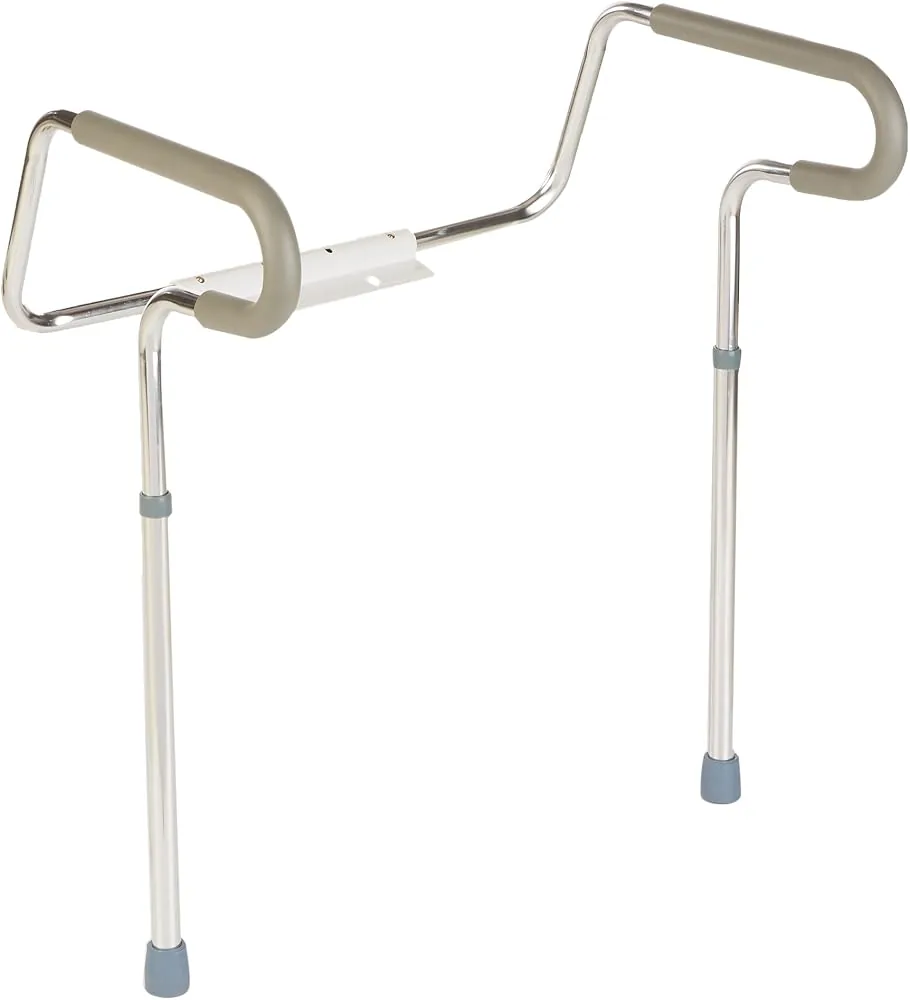
The Sammons Preston Toilet Safety Frame for Elderly stands as the cornerstone of the collection, supporting up to 300 pounds and providing the stability needed for safe toilet transfers. Physical therapists frequently recommend this frame for patients returning home after hip or knee replacement surgery because it reduces fall risk during the vulnerable recovery period. The frame installs without tools and fits most standard toilets, making it accessible for families preparing homes for patient return.
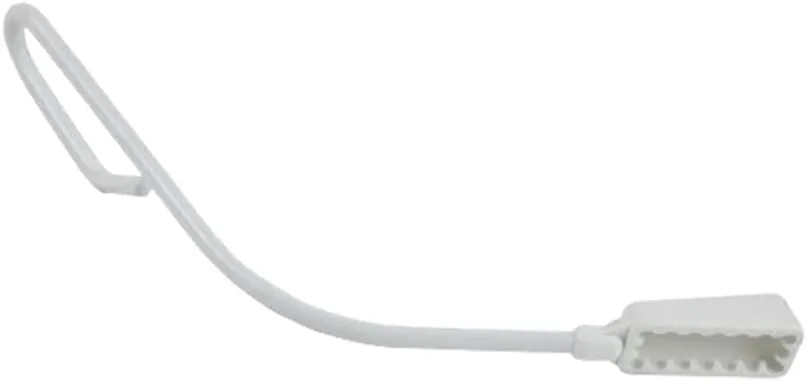
For personal hygiene maintenance, the Clean Easy Toileting Aid has earned a dedicated following among users who prioritize dignified independence. Priced around $35.68, this tissue holder extends reach while maintaining a secure grip on paper products. The Curved Toilet Aid at $27.12 offers an alternative approach with its angled design, which some users find provides better positioning for thorough cleaning. Both options reflect the brand's commitment to offering choices rather than compromises.
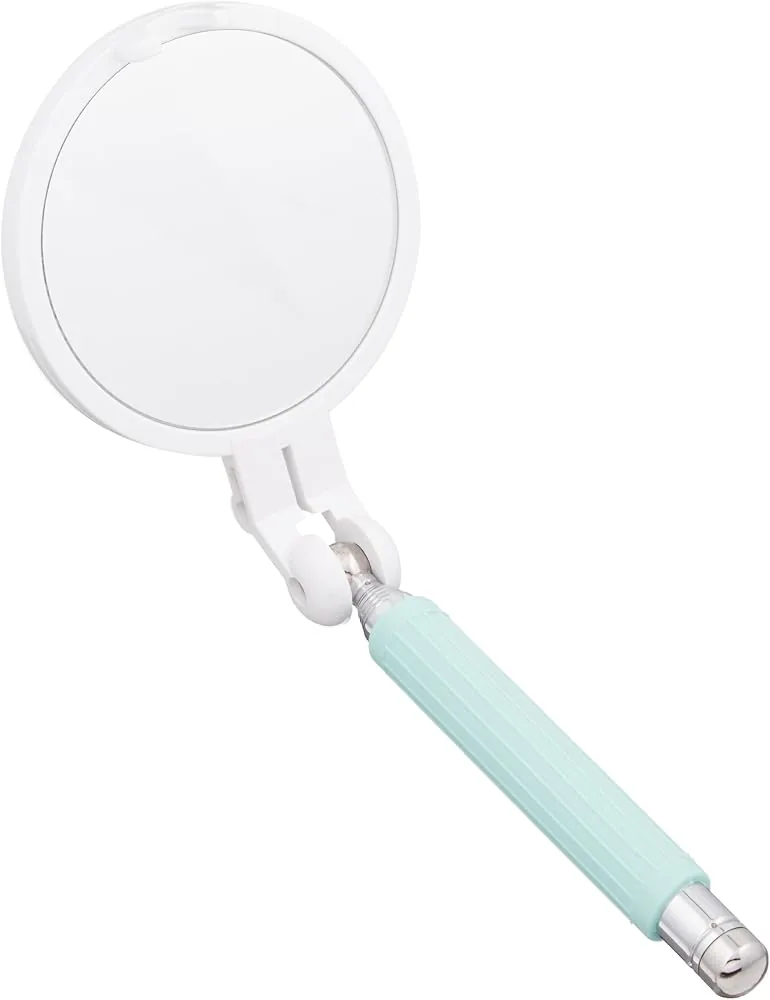
The self-examination mirrors round out the frequently recommended products, with the Telescoping Self-Examination Mirror featuring an extending handle for adjustable reach. Users recovering from surgery or managing skin conditions appreciate the ability to monitor areas they cannot directly see. The Flexible Inspection Mirror with Magnifying Mirror adds visual enhancement for detailed examination. These inspection tools support health monitoring that might otherwise require scheduling caregiver visits or medical appointments.
Aircraft-Grade Aluminum, Medical-Grade Plastics, and Skin-Safe Rubber Compounds
Material selection for bathroom aids demands careful balance between durability, weight, and hygiene. The toilet safety frame employs aircraft-grade aluminum tubing that achieves the 300-pound weight capacity while remaining light enough for users to adjust positioning. This aluminum resists corrosion from bathroom humidity and cleans easily with standard household disinfectants. The material will not rust, chip, or degrade from repeated exposure to moisture and cleaning products.
Handheld aids like the toileting tissues holders utilize high-density plastics rated for medical applications. These plastics resist bacterial growth, tolerate frequent sanitization, and maintain structural integrity through years of daily use. The materials flex slightly under stress rather than cracking, an important characteristic for products that may be dropped occasionally. Surface finishes remain smooth and non-porous, preventing accumulation of residue that could compromise hygiene.
Contact surfaces where products meet skin incorporate rubber and silicone compounds formulated for extended touch. The ergonomic grips on handles feature these skin-safe materials with textures that enhance grip without irritating sensitive hands. These compounds remain stable across temperature variations encountered in bathroom environments, from cool morning surfaces to warm post-shower conditions. The materials also resist degradation from hand lotions, soaps, and other personal care products users may have on their hands.
Regaining Bathroom Confidence After Hip Replacement Surgery
Users report that the toilet safety frame transforms their post-surgery bathroom experience from anxious to confident. The stable handrails provide exactly the support needed to lower and raise without stressing healing joints. Family caregivers note reduced anxiety knowing their loved ones have secure assistance during private moments. The psychological benefit of independent toileting often proves as significant as the physical support, contributing to faster overall recovery and improved mood during rehabilitation.
The toileting aids demonstrate their value most clearly during the critical first weeks after returning home from hip or knee replacement surgery. Users describe successfully managing bathroom needs independently within days of installation, a milestone that previously required caregiver assistance. The extended reach of the hygiene aids eliminates the bending movements that surgeons specifically prohibit during recovery. This compliance support helps users follow medical instructions without sacrificing personal care standards.
Long-term durability proves itself through continued performance months and years after initial purchase. Users who began with the aids during surgical recovery often continue using them indefinitely, appreciating the reduced strain on aging joints. The aluminum frame shows no degradation after years of daily use. The plastic hygiene aids maintain their grip strength and structural integrity through thousands of uses. This longevity delivers genuine value, making the initial investment worthwhile for extended independent living.
Maximizing Sammons Preston Toileting Aid Benefits: Installation and Daily Use Guidance
Proper installation of the toilet safety frame ensures maximum stability and safety. Position the frame so the handrails align with the natural armrest location when seated. Most users find that rails extending slightly forward of the toilet seat provide optimal leverage for both sitting and standing movements. Adjust the height settings so arms remain at comfortable angles throughout the transfer process. Test stability by applying firm pressure before first use, confirming the frame sits securely on the floor.
The hygiene aids work best when users develop consistent handling techniques. Hold the Curved Toilet Aid or Clean Easy device with a relaxed grip, allowing the extended handle to do the reaching work. Position tissue securely in the holding mechanism before beginning, checking that the clamp has engaged fully. Move the aid in controlled motions rather than quick swipes. After use, release the tissue over the toilet and flush before cleaning the aid itself. This routine becomes automatic within a few days of practice.
Cleaning frequency depends on usage patterns, but daily sanitization maintains optimal hygiene. Wipe plastic surfaces with mild soap and water or disinfecting wipes approved for medical plastics. The aluminum frame tolerates standard bathroom cleaners, though abrasive scrubbers should be avoided to protect surface finishes. Dry all components after cleaning to prevent water spots and maintain grip surfaces. Store handheld aids in accessible locations, such as beside the toilet or in a dedicated bathroom caddy, ensuring they remain within reach when needed.
Weight Capacity, Reach Extension, and Grip Requirements for Safe Selection
- User Weight Considerations The toilet safety frame supports users up to 300 pounds. Verify this capacity meets or exceeds the intended user's weight with a reasonable safety margin for dynamic forces during transfers.
- Reach Distance Assessment Measure the user's comfortable reaching distance while seated. If this falls short of hygiene needs, select an aid with appropriate extension length. The standard aids provide approximately 10 inches of additional reach.
- Hand Strength Evaluation Users with severely limited grip strength should test the tissue holding mechanisms before committing. The clamps require minimal force but some activation pressure is necessary.
- Toilet Compatibility Confirm the safety frame dimensions fit the specific toilet model. Standard frames accommodate most residential toilets, but unusual configurations may require measurement verification.
- Flexibility Requirements Users who cannot rotate their torso may benefit from the curved aid design, which provides angular reach that straight models cannot achieve.
- Vision Needs for Inspection Mirrors Select standard or magnifying mirror options based on visual acuity. The magnifying version assists users who need enhanced detail for thorough self-examination.
The Perfect Solution for Post-Surgical Patients and Seniors Living Independently
Ideal Candidates for These Aids
- Hip replacement patients following movement restrictions
- Knee replacement patients with bending limitations
- Seniors with arthritis affecting hand grip and reach
- Individuals with chronic back conditions limiting flexibility
- Anyone recovering from abdominal surgery with lifting restrictions
- Caregivers seeking to reduce physical assistance demands
Situations Where Aids Provide Greatest Value
- First weeks home after joint replacement surgery
- Aging in place without live-in care support
- Transitioning from rehabilitation facility to home
- Managing progressive conditions affecting mobility
- Reducing caregiver burden for personal care tasks
- Maintaining independence while living alone
Selecting the Right Toileting Aid Model for Your Specific Mobility Challenges
Choosing between the straight Toilet Aid and the Curved Toilet Aid depends primarily on the user's specific movement limitations. The straight design works well for users who can position themselves centrally on the toilet and have some rotational flexibility. The curved option suits users who find rotating uncomfortable or whose seated position makes straight-line reaching difficult. Consider trying both styles if uncertain, as personal preference plays a significant role in sustained daily use.
The toilet safety frame selection involves fewer variations but important sizing considerations. Measure the toilet's footprint and surrounding clearance to ensure the frame fits without obstruction. Consider whether wall proximity limits rail positioning. Users who require maximum stability should verify that floor surfaces are level and provide secure footing for the frame's rubber feet. Those with extremely limited mobility might benefit from frames with higher rails that provide support throughout more of the transfer motion.
Mirror selection depends on examination purpose. The standard Telescoping Self-Examination Mirror suits general inspection needs with adequate viewing area and adjustable reach. Users monitoring surgical incisions, skin conditions, or other details requiring close examination should consider the Flexible Inspection Mirror with Magnifying Mirror for enhanced visibility. The flexible design allows positioning at angles that rigid mirrors cannot achieve, making thorough self-checks possible without contorting into uncomfortable positions.
Sammons Preston Toileting Products vs. Competitor Bathroom Safety Aids
| Feature | Sammons Preston | Drive Medical | Carex Health Brands |
|---|---|---|---|
| Weight Capacity (Safety Frame) | 300 lbs | 250 lbs | 300 lbs |
| Design Origin | Clinician-designed by OTs/PTs | General engineering | Consumer feedback |
| Professional Trust History | 70+ years with healthcare providers | 40+ years | 30+ years |
| Hygiene Aid Reach Extension | 10+ inches | 8-10 inches | 8 inches |
| Grip Design Focus | Arthritis-specific ergonomics | Standard ergonomic | Basic comfort grip |
| Material Quality | Aircraft-grade aluminum, medical plastics | Standard aluminum, plastics | Standard materials |
| Complete Recovery Kit Availability | Yes, coordinated hip/knee kits | Limited bundling | Individual products only |
| Price Range (Hygiene Aids) | $25-$36 | $15-$25 | $12-$20 |
Sammons Preston commands higher prices reflecting clinical-grade design and materials validated through decades of professional healthcare use.
Keeping Your Bathroom Independence Aids Clean and Functional Long-Term
- Daily Wipe-Down Protocol After each use, wipe hygiene aids with a damp cloth or antibacterial wipe. This prevents residue accumulation and maintains sanitary conditions for the next use.
- Weekly Deep Cleaning Remove aids from the bathroom once weekly for thorough cleaning with mild dish soap and warm water. Rinse completely and dry before returning to storage.
- Frame Inspection Schedule Monthly examination of the safety frame should check for loose connections, worn rubber feet, and any signs of structural fatigue. Tighten any loose components immediately.
- Rubber Foot Replacement Replace frame feet when treads show significant wear or when the frame begins to slide on floor surfaces. Worn feet compromise stability and user safety.
- Avoiding Harmful Cleaners Do not use bleach concentrations above standard household levels or abrasive cleaning pads on any components. These can degrade plastics and damage surface finishes.
- Storage Recommendations Store handheld aids in dry locations away from direct sunlight. Prolonged UV exposure can weaken plastics over time. Designate a consistent storage spot to ensure aids remain accessible when needed.