

Sammons Preston — Aids To Daily Living
Sammons Preston Aids to Daily Living: Designed for Those Reclaiming Independence
Since 1958, Sammons Preston has served a singular purpose: empowering individuals with physical limitations to live life on their own terms. Founded by occupational therapist Fred Sammons in Warrenville, Illinois, the brand emerged directly from clinical practice, where real patients faced real challenges in performing everyday tasks. This heritage of clinician-driven innovation means every product addresses genuine needs identified in rehabilitation settings, not theoretical problems imagined in boardrooms.
The core audience for Sammons Preston encompasses seniors navigating mobility limitations, patients recovering from hip and knee replacement surgeries, and individuals managing arthritis or reduced hand function. These users share a common goal: maintaining dignity and self-sufficiency in daily activities that many take for granted. Dressing without assistance, eating meals independently, and managing personal care routines become achievable milestones rather than insurmountable obstacles.
Healthcare professionals have trusted this brand for over 70 years precisely because the products deliver measurable results in occupational therapy settings. Hospitals, rehabilitation clinics, and home health agencies recommend Sammons Preston adaptive equipment knowing it meets professional standards. The brand's mission remains unchanged from its founding principles: improving lives through thoughtful, functional design that bridges the gap between limitation and independence.
A Complete Adaptive Equipment Collection for Every Daily Challenge
The product range spans every aspect of daily living where physical limitations create barriers. From the moment users wake up to the time they retire for the night, adaptive solutions exist to simplify each task. Dressing aids include reachers, grabbers, dressing sticks, and button hooks that transform formerly frustrating routines into manageable sequences. These tools extend reach, compensate for reduced grip strength, and eliminate the need for awkward bending or stretching.
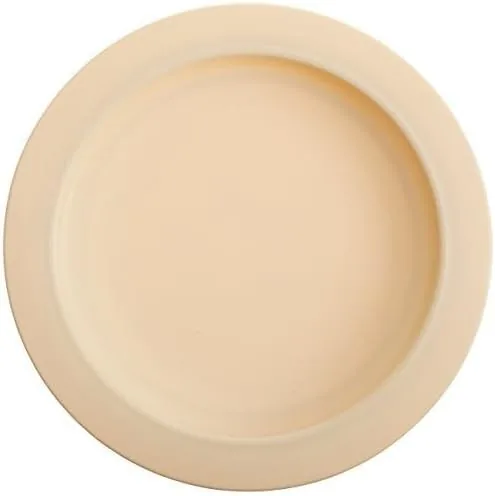
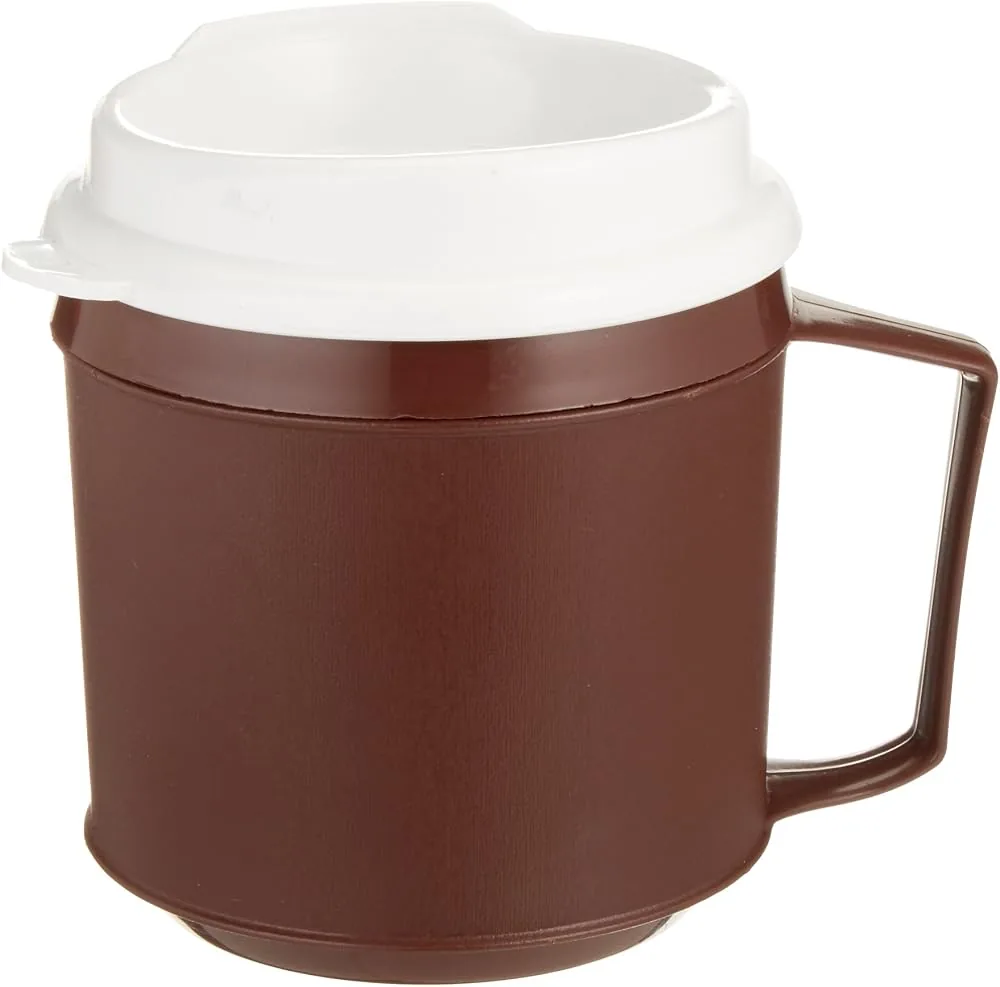
Mealtime independence receives equal attention through specialized eating and drinking aids. Plates with raised edges prevent food spillage, while built-up handle utensils accommodate weakened grip. Insulated mugs with secure lids reduce spill risks, and temperature-maintaining bowls ensure meals stay enjoyable throughout dining. The breadth of options means users can address specific challenges rather than settling for one-size-fits-all compromises.
Personal care products complete the daily living ecosystem. Universal cuffs secure grooming tools for users who cannot grip handles, while long-handled bath aids extend reach for washing and hygiene tasks. Complete recovery kits bundle essential items for specific situations like post-surgical rehabilitation, eliminating guesswork for patients and caregivers assembling home recovery setups.
Clinician-Designed Innovation Born in Rehabilitation Settings
The engineering philosophy distinguishing Sammons Preston from competitors traces directly to founder Fred Sammons and his colleagues in occupational therapy clinics. Rather than designing products based on assumptions about disability, the brand's development process begins with observed patient struggles. Therapists witness firsthand which movements cause pain, which tasks patients abandon, and which adaptations enable breakthrough moments of independence.
This clinical foundation produces design decisions that academic engineers might overlook. Handle angles accommodate wrists frozen in specific positions. Weight distribution accounts for arm fatigue in users with neurological conditions. Surface textures provide grip without irritating sensitive skin common in aging populations. Every curve, dimension, and material choice reflects accumulated wisdom from thousands of patient interactions across decades of clinical practice.
The occupational and physical therapy professionals who shaped these products understood that adaptive equipment must integrate seamlessly into daily routines. Users should not feel they are wielding medical devices; they should feel they are using thoughtfully designed tools that happen to accommodate their needs. This philosophy explains why Sammons Preston products avoid institutional aesthetics in favor of approachable designs suitable for home environments where users spend most of their time.
Sammons Preston Aids to Daily Living: Core Features That Enable Independence
- Ergonomic Handles and Grips Built-up handles and contoured grips reduce the hand strength required to manipulate utensils, dressing aids, and grooming tools, making them accessible for users with arthritis or neurological conditions.
- Lightweight Aluminum Construction Many reaching and dressing aids utilize aluminum frames that provide structural integrity without adding weight that fatigues weakened arms during extended use.
- Durable Materials for Long-Term Use Products withstand daily handling, washing, and the occasional drop, ensuring reliable performance throughout recovery periods and beyond.
- Non-Slip Surfaces and Padding Strategic placement of textured grips and cushioned pads prevents tools from slipping during use and protects delicate skin from friction injuries.
- Complete Recovery Kits Pre-assembled kits for hip and knee replacement patients bundle essential aids including reachers, sock aids, and dressing sticks, simplifying preparation for home recovery.
- Food Spill Prevention Design Plates and bowls feature raised edges, curved lips, and weighted bases that keep food on the dish and the dish on the table during one-handed eating.
Bestsellers That Have Earned Professional and Patient Trust
The Sammons Preston Plate with Inside Edge stands as a flagship dining aid, featuring a 9-inch diameter with built-in food spill prevention that allows one-handed eaters to scoop food against the raised edge without chasing it around the plate. Priced accessibly at approximately $18.26, this plate demonstrates the brand's commitment to making independence affordable. Its popularity in both clinical and home settings reflects genuine utility rather than marketing hype.
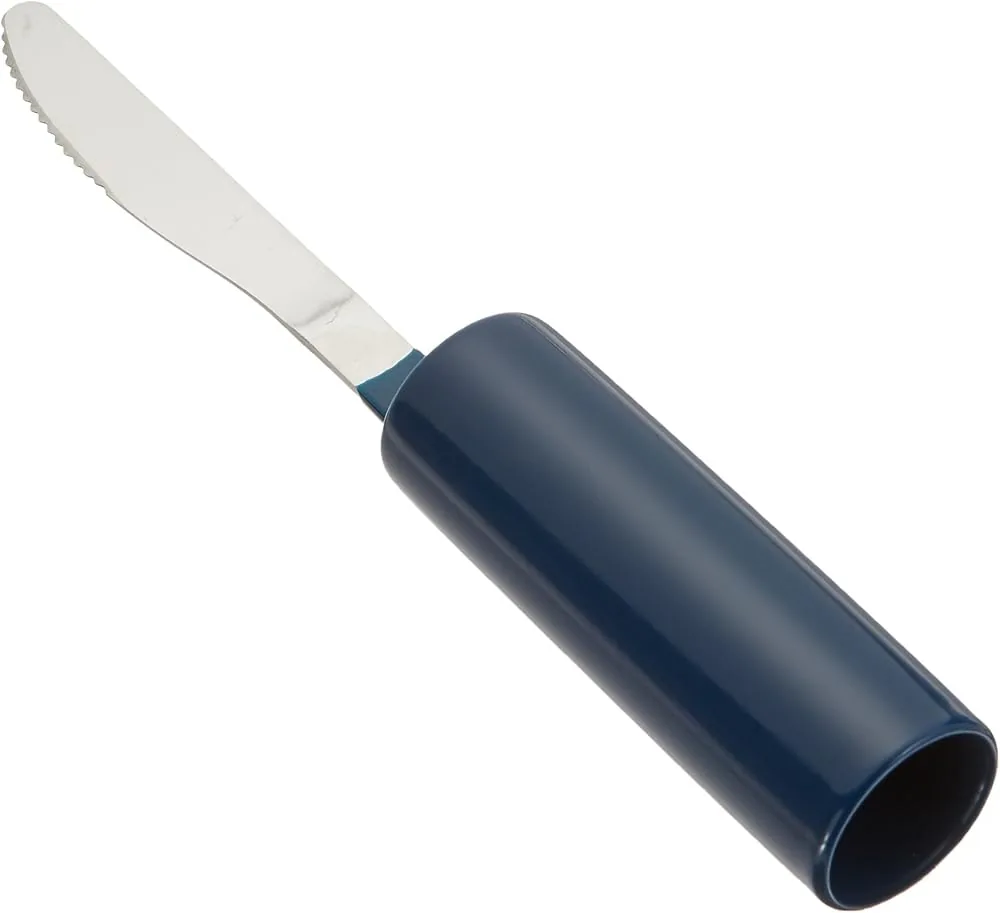
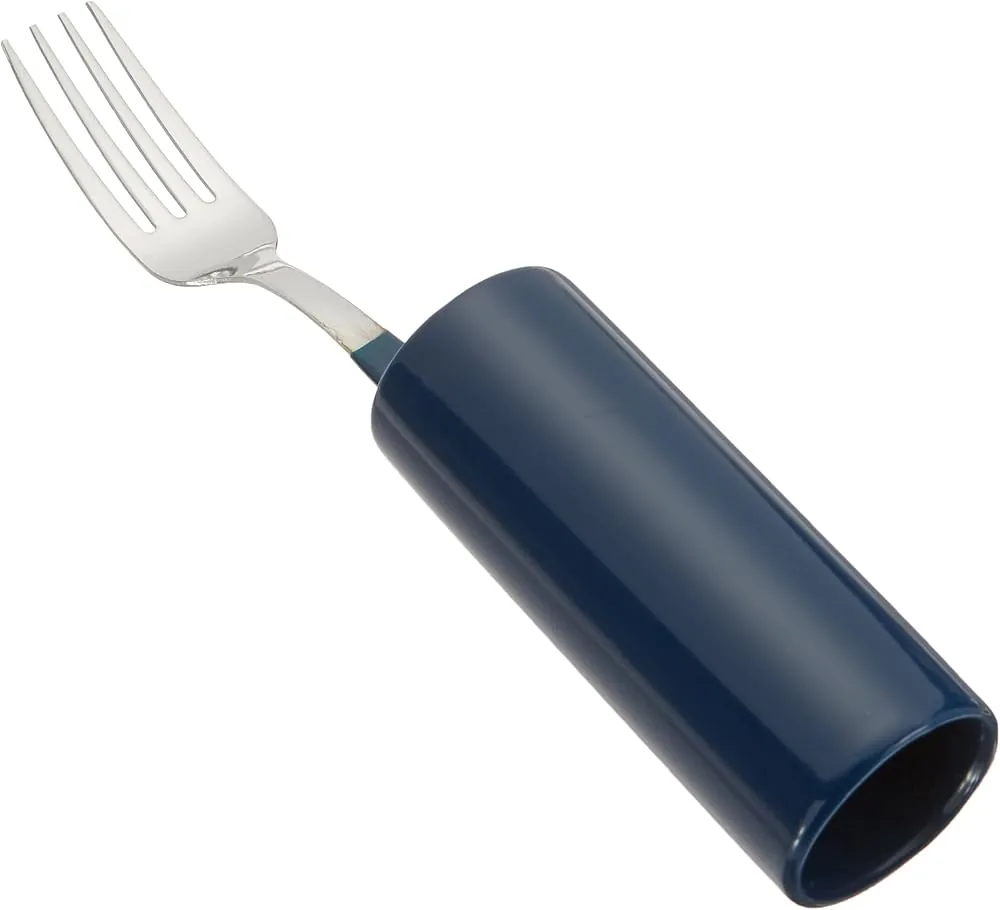
Built-Up Handle utensils, including the Fork and Knife with steel cylinder grips coated in blue plastic, address one of the most common mealtime challenges for users with arthritis or grip weakness. The enlarged diameter reduces the finger flexion required to hold utensils securely, transforming meals from exhausting ordeals into dignified experiences. Healthcare professionals frequently recommend these as starting points for patients transitioning to adaptive equipment.
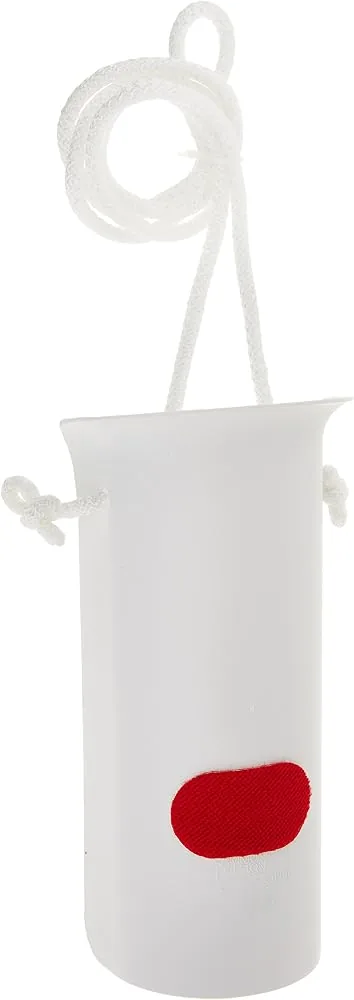
The No-Slip Sock Aid with Non Slip Pad solves a problem familiar to anyone recovering from hip or knee surgery: putting on socks without bending beyond permitted ranges of motion. This easy-on, easy-off dressing tool has become essential inventory in rehabilitation clinics preparing patients for discharge. The Trio Jar and Bottle Opener completes the bestseller lineup, combining multiple opening mechanisms in a single tool that accommodates various container types encountered in daily kitchen tasks.
Stainless Steel, Food-Grade Plastics, and Cushioned Foam Construction
Material selection reflects the dual demands of durability and user comfort that define adaptive equipment. Utensils feature stainless steel cores that resist bending under the uneven pressure applied by users with compromised motor control. The steel provides necessary rigidity while coatings protect against temperature transfer that could burn sensitive hands holding forks or spoons containing hot food.
Food-grade plastics form the bodies of plates, bowls, and mugs, meeting safety standards for direct contact with meals while enabling the molded shapes that prevent spills. The Yellow Polyester Scoop Dish demonstrates this approach with its curved lip that guides food onto utensils. The Insulated Mug utilizes double-wall construction that maintains beverage temperature while keeping exterior surfaces comfortable to touch. These plastics also withstand repeated dishwasher cycles without warping or discoloring.
Built-up handles receive their distinctive profile from cushioned foam and molded rubber compounds that compress slightly under grip while maintaining shape over years of daily use. This construction absorbs minor impacts, protects against repetitive strain, and provides the friction necessary to prevent slippage even when hands perspire or encounter moisture from food preparation. The blue plastic coating on many utensil handles adds an additional layer of comfort while providing visual identification for users managing multiple tools.
Restoring Mealtime Dignity and Dressing Room Confidence
Real-world performance metrics for adaptive equipment extend beyond functional specifications into emotional territory. The Keep-a-Temp Bowl demonstrates this dual impact: it maintains food temperature through double-wall insulation, which addresses the practical concern of slow eaters whose meals grow cold during extended dining times, while simultaneously removing the anxiety that rushes users through meals. Patients report reduced stress when they know their food remains enjoyable regardless of pace.
Dressing aids deliver equally profound results for users recovering from joint replacement surgery. The sock aid eliminates the specific bending motion prohibited during hip recovery, transforming a formerly impossible task into a routine step. Users describe regaining this ability as a milestone that signals genuine progress, far more meaningful than abstract physical therapy measurements. The psychological benefit of dressing without assistance amplifies the practical convenience.
Durability performance validates the initial investment in quality adaptive equipment. Users report years of daily service from built-up utensils and reachers, contrasting with cheaper alternatives that failed within months. The lightweight aluminum construction reduces arm fatigue during extended use, meaning users actually complete tasks rather than abandoning them due to exhaustion. Clinical outcomes improve when patients use equipment they find genuinely comfortable and effective.
Using Sammons Preston Aids to Daily Living for Optimal Recovery Results
- Start with Essential Items Begin recovery with the sock aid, reacher, and dressing stick that address the most common prohibited movements after hip or knee surgery, adding additional aids as specific needs emerge.
- Practice Before Surgery Patients scheduled for joint replacement should practice using adaptive equipment before their procedure, building familiarity when full mobility allows easier learning.
- Position Tools Within Reach Store frequently used items like reachers and dressing sticks near beds and chairs where users spend recovery time, eliminating the need to retrieve tools before starting tasks.
- Use Plates with Food Placement in Mind Position food items against the raised edge of scoop dishes and inside-edge plates before beginning meals, enabling efficient scooping throughout dining.
- Secure Mugs Before Filling Place insulated mugs on stable, flat surfaces before pouring beverages, and attach lids before lifting to minimize spill risk during transport.
- Clean After Each Use Wash eating aids thoroughly after meals and dry dressing aids if moisture accumulates, maintaining hygiene and extending product lifespan.
Grip Strength Requirements and Range of Motion Considerations
Selecting appropriate adaptive equipment requires honest assessment of current physical capabilities. Users with arthritis should evaluate whether they can maintain grip for the duration of typical tasks; if standard utensils slip or cause pain within minutes, built-up handle versions likely provide relief. The enlarged diameter reduces required grip force by approximately 50 percent compared to standard handles, accommodating significant strength deficits.
Range of motion limitations determine which dressing and reaching aids prove most useful. Hip replacement patients typically face restrictions on bending past 90 degrees and rotating the affected leg inward, making sock aids and long-handled shoe horns essential until surgical precautions lift. Knee replacement patients encounter different movement restrictions but similar challenges reaching feet. Understanding specific surgical protocols ensures equipment selection matches actual limitations.
Balance and stability considerations influence safe use of all adaptive tools. Users should sit in stable chairs when using sock aids and dressing sticks, avoiding perching on bed edges or standing while manipulating equipment. Reachers and grabbers extend reach safely but should not substitute for proper body mechanics; users should move closer to objects when possible rather than stretching to maximum tool extension. Occupational therapists can provide personalized guidance during rehabilitation planning.
Perfect for Surgery Recovery, Arthritis Management, and Aging in Place
Ideal Primary Users
- Hip replacement surgery patients following movement precautions
- Knee replacement patients managing post-operative swelling and stiffness
- Seniors with osteoarthritis affecting hands, hips, or knees
- Individuals with rheumatoid arthritis experiencing grip weakness
- Stroke survivors relearning one-handed daily living skills
Supporting Caregivers and Professionals
- Home health aides seeking to promote patient independence
- Family members supporting relatives through recovery
- Occupational therapists recommending proven clinical solutions
- Physical therapists coordinating comprehensive rehabilitation plans
- Discharge planners preparing patients for home recovery
Selecting the Right Aids to Daily Living Model for Your Situation
Choosing appropriate adaptive equipment begins with identifying the specific daily tasks that currently present challenges. Users struggling primarily with dressing should prioritize sock aids, button hooks, and dressing sticks before investing in eating aids. Those experiencing mealtime difficulties benefit most from starting with scoop plates and built-up utensils. This focused approach prevents overwhelming users with equipment they do not yet need.
Recovery timeline influences product selection significantly. Patients facing temporary limitations after surgery may require only basic aids for the six to twelve weeks of surgical precautions, making complete recovery kits cost-effective solutions. Users managing chronic conditions like progressive arthritis benefit from investing in durable, comfortable equipment intended for years of daily service. The Sammons Preston ice pack and sammons preston cold pack products support post-surgical pain management during recovery phases.
Hand dominance and bilateral versus unilateral limitations affect which specific products work best. Users with weakness in both hands require different solutions than those adapting to single-hand function after stroke. Utensil selection should match eating preferences, considering whether users cut food themselves or receive pre-cut meals. The Trio Jar and Bottle Opener accommodates multiple grip patterns, making it versatile for users unsure which approach works best for their specific limitations.
Sammons Preston Aids to Daily Living vs. Leading Competitors
| Feature | Sammons Preston | Maddak/Ableware | Drive Medical |
|---|---|---|---|
| Heritage | Founded 1958 by occupational therapist | Founded 1971, industrial design focus | Founded 2000, broad medical equipment |
| Design Philosophy | Clinician-designed from rehabilitation settings | Consumer product adaptation approach | Cost-efficiency prioritized |
| Handle Construction | Built-up foam with plastic coating | Rubber grips, various styles | Basic foam or plastic |
| Material Quality | Stainless steel, food-grade plastics | Mixed materials, varies by product | Economy materials common |
| Professional Endorsement | 70+ years of clinical trust | Common in retail settings | Institutional bulk purchasing |
| Recovery Kit Availability | Comprehensive pre-assembled kits | Limited bundle options | Basic kit offerings |
| Cold Therapy Options | Sammons Preston cold pack products available | Limited selection | Broad but generic options |
| Price Point | Mid-range professional quality | Budget to mid-range | Budget-focused |
Comparison based on publicly available product specifications and brand positioning as of 2024.
Washing, Sanitizing, and Storing Your Adaptive Equipment
- Dishwasher-Safe Items Plates, bowls, and many utensils tolerate top-rack dishwasher placement; verify individual product labels before machine washing to prevent damage to specialized coatings.
- Hand Washing Built-Up Handles Clean foam and rubber grips with mild soap and warm water, rinsing thoroughly and allowing complete drying before storage to prevent bacterial growth in porous materials.
- Sanitizing Between Users Clinical settings should follow facility protocols for disinfection; home users can wipe non-porous surfaces with diluted bleach solutions when illness concerns arise.
- Drying Dressing Aids Wipe down reachers, dressing sticks, and sock aids after use if moisture accumulates, storing them in dry locations away from bathroom humidity.
- Storing for Easy Access Designate specific locations for each adaptive tool near where tasks occur, using hooks for reachers and drawer organizers for utensils to maintain consistent availability.
- Inspecting for Wear Check built-up handles monthly for cracks or compression that reduces grip diameter, and examine reacher jaws for alignment issues that affect grasping reliability.